Considering a Bohemian hand-knotted macrame lampshade? Simply put, it’s a decorative light cover crafted from natural fibers like cotton, often in intricate knotted patterns. These shades offer a soft, diffused light, adding a textured, artisanal feel to your space. They’re a practical way to infuse a bohemian aesthetic without a complete room overhaul.
Let’s break down what we’re talking about here. A macrame lampshade isn’t some futuristic gadget or a high-tech lighting fixture. It’s an old craft adapted for modern homes.
The Art of Macrame
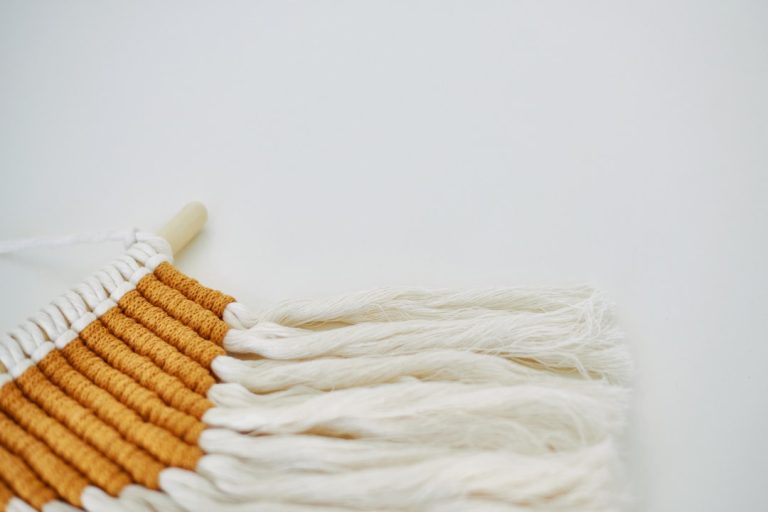
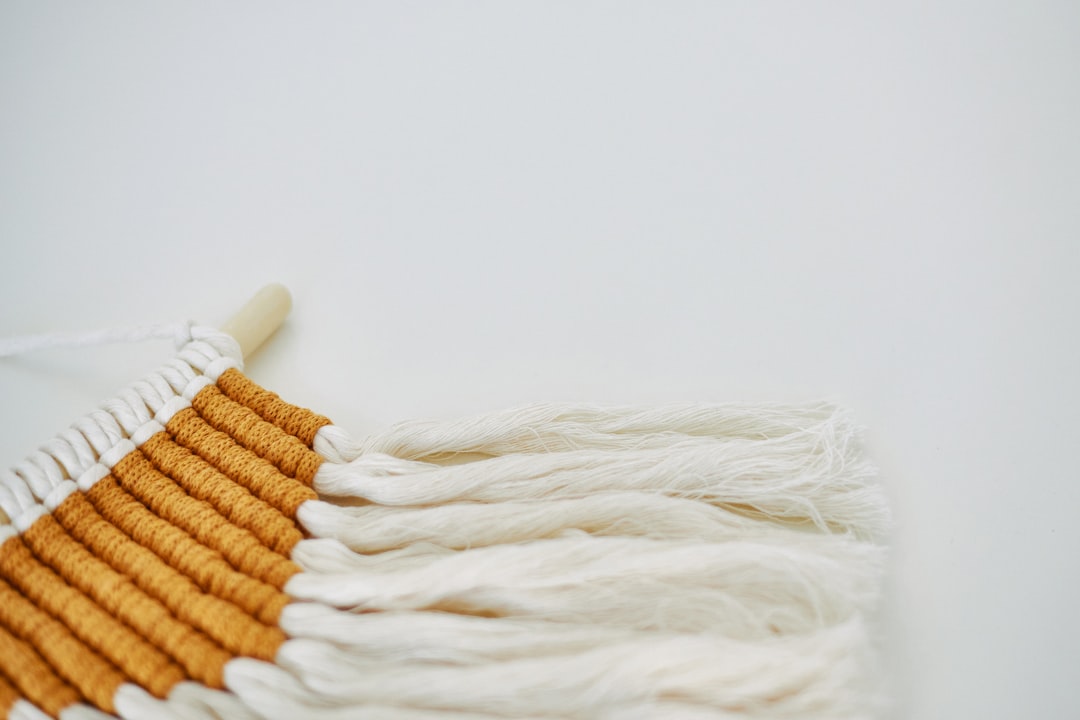
Macrame itself is a textile art form that uses knotting techniques rather than weaving or knitting. Think of it as a series of decorative knots, often symmetrical, that create patterns and textures. It’s been around for centuries, with origins tracing back to ancient Babylon and Assyria, finding popularity in the Victorian era, and experiencing a major resurgence in the 1970s. Its current comeback is largely due to a renewed interest in handmade goods and natural aesthetics.
How it Translates to Lampshades
When applied to lampshades, macrame takes on a functional and decorative role. Instead of a solid fabric or metal, the light source is encased by a structure of knotted cords. This creates a unique interplay of light and shadow, filtering the illumination in a way that’s distinct from a traditional shade.
Materials Used
Typically, these lampshades are made from natural fibers.
Cotton Cord
This is the most common material. Cotton is soft, easy to work with, and takes dye well, although most macrame lampshades are left in their natural, unbleached cotton color for that authentic bohemian look. It also drapes well and holds knots securely.
Jute or Hemp
Less common, but you’ll occasionally find shades made from jute or hemp. These materials offer a more rustic, raw texture and are generally stronger, though they can be a bit stiffer to work with. They also tend to have a slightly darker, more earthy tone.
Wooden Beads and Other Accents
Many macrame lampshades incorporate wooden beads, often at the ends of fringe or woven into the patterns, adding another layer of visual interest and a tactile element. Occasionally, you might see other natural elements like shells or small decorative pieces.
Why Choose a Macrame Lampshade?
Beyond simply liking the look, there are several practical reasons why a macrame lampshade might be a good fit for your home. It’s not just about aesthetics; it’s about how it influences the feel and functionality of your space.
Soft, Diffused Lighting
One of the primary benefits is the quality of light it provides.
Reducing Glare
The knotted patterns naturally diffuse the light from the bulb, preventing harsh glare. This is particularly useful in living areas or bedrooms where you want ambient lighting rather than direct, bright illumination. It creates a softer, more inviting atmosphere.
Creating Ambiance
The shadows cast by the intricate knots can create interesting patterns on your walls and ceiling, adding to the room’s overall ambiance. It’s a subtle way to introduce visual texture into your lighting scheme, making a room feel more layered and cozy.
Aesthetic Appeal and Versatility
These shades are more than just light filters; they’re decorative pieces in their own right.
Bohemian and Natural Decor
If you’re leaning towards a bohemian, natural, or even a rustic and farmhouse aesthetic, a macrame lampshade fits right in. It instantly adds a touch of handmade charm and a connection to natural elements, which are hallmarks of these styles.
Adding Texture to a Space
In a room with flat surfaces and clean lines, a macrame lampshade introduces much-needed texture. The varied knots and fringes provide a visual and tactile contrast, making the room feel more dynamic and less sterile.
Complementing Different Design Styles
While often associated with bohemian, these shades can surprisingly work in other settings. In a minimalist space, a single macrame shade can serve as a focal point, injecting warmth without clutter. In an eclectic room, it can blend seamlessly with other global-inspired pieces. It’s not limited to one rigid style.
Handmade and Unique
There’s an inherent appeal in something made by hand.
Supporting Artisans
Many macrame lampshades are crafted by individual artisans or small businesses. Choosing one can be a way to support these craftspeople and their traditional skills. It’s a purchase with a story behind it, not just a mass-produced item.
Individuality
Even if a similar design is replicated, each handmade piece will have slight variations that make it unique. You’re not getting something identical to everyone else, which can add a personal touch to your home decor.
Practical Considerations Before Buying
While they’re visually appealing, there are a few practical aspects to think about before you commit to a macrame lampshade. These aren’t deal-breakers, but they’re good to be aware of.
Bulb Compatibility
This is perhaps the most important functional consideration.
Heat Dissipation
Because macrame is made of natural fibers, usually cotton, it’s crucial to use LED bulbs. Incandescent bulbs generate a significant amount of heat, which can pose a fire risk with flammable materials like cotton. LEDs, on the other hand, produce very little heat, making them safe for use with these shades. Always double-check the bulb type recommended by the manufacturer.
Light Output
LEDs come in various color temperatures and brightness levels. Consider the overall light output you need for the room. Since the macrame will diffuse some of the light, you might need a slightly brighter bulb than you’d use with a clear glass or very thin fabric shade to achieve the same perceived brightness.
Maintenance and Cleaning
Natural fibers, especially with intricate knots, require a bit of care.
Dusting
Dust is the main enemy of macrame. Regular, gentle dusting is key. A soft brush, a feather duster, or even a can of compressed air (used from a distance) can help keep the dust from settling into the knots.
Spot Cleaning
For small marks or spills, spot cleaning is usually the best approach. Use a damp cloth with a very mild soap (like a diluted dish soap solution). Gently dab the soiled area, being careful not to rub too aggressively, which can distort the knots or damage the fibers. Always test on an inconspicuous area first. Avoid harsh chemicals or submerging the shade in water, as this can cause shrinkage or damage.
Avoiding Moisture
Keep macrame lampshades away from areas with high humidity or direct splashes of water. Moisture can lead to mildew or cause the fibers to sag and lose their shape.
Installation
Most macrame lampshades are designed to fit standard light fixtures.
Pendant Lights
Many are intended as hanging pendant shades, often with an open top that slips over a cord set. Ensure the opening size matches your existing or desired pendant fixture.
Table/Floor Lamps
Some macrame shades are designed for table or floor lamp bases. These usually have a spider fitter held in place by finial, or a washer fitter that sits on top of the harp. Double-check the type of fitting their lampshade comes with and if it matches your lamp base.
Where to Place Your Macrame Lampshade
Now that you’ve considered the practicalities, let’s think about where these shades really shine within a home. They’re quite versatile, but some spots truly highlight their unique qualities.
Living Room Ambiance
The living room is often the heart of the home, and lighting plays a huge role in its feel.
Overhead Pendants
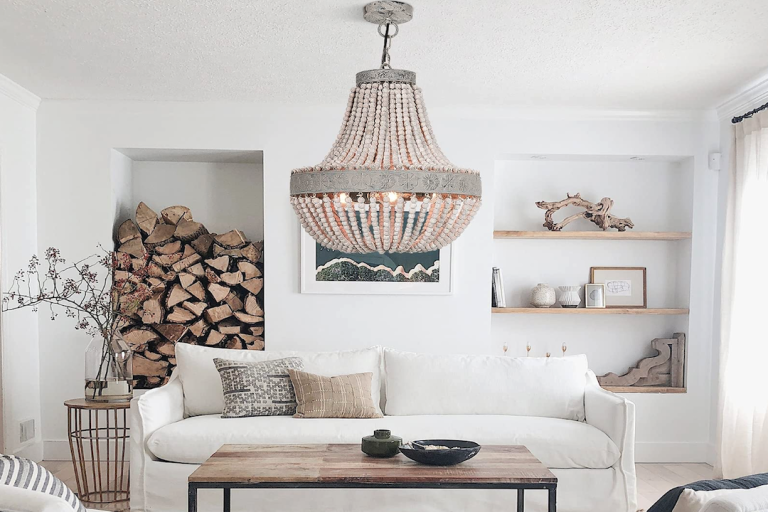
A larger macrame pendant shade hung centrally can act as a beautiful focal point, drawing the eye upwards. It provides soft ambient light for conversation and relaxation, rather than harsh task lighting.
Side Table or Floor Lamps
Smaller macrame shades on table or floor lamps can offer localized soft lighting, perfect for creating cozy nooks for reading or simply adding warmth to corners of the room. They supplement the main lighting without overpowering it.
Bedroom Serenity
Bedrooms benefit immensely from soft, non-intrusive lighting.
Bedside Lamps
Macrame lampshades on bedside tables can provide a gentle glow, ideal for winding down in the evening. The diffused light is easy on the eyes and contributes to a calming atmosphere.
Corner Accent Lighting
Place a floor lamp with a macrame shade in a bedroom corner to create a soft, inviting accent. It adds depth to the room and can make it feel more spacious and less stark.
Dining Area Warmth
While not always the first choice for a dining area, they can work well in certain setups.
Over a Dining Table (Ambient Focus)
A macrame pendant over a dining table can provide a wonderfully warm and intimate atmosphere for meals. Keep in mind that it will diffuse the light, so if you need brighter illumination for tasks like crafts on the table, you might need to supplement with other light sources. It’s more about creating a mood than brightly lighting every plate.
Creating a Cozy Nook
If you have a breakfast nook or a smaller dining area, a macrame shade can enhance its cozy and inviting feel, making it a pleasant spot for casual meals.
Other Creative Spots
Think outside the typical rooms.
Entryways
A macrame pendant in an entryway can make a welcoming first impression, adding texture and warmth as guests step into your home.
Home Office/Studio
While you might need brighter task lighting at your desk, a macrame shade in a relaxation corner or above a seating area in a home office can soften the space and make it feel less strictly utilitarian.
Covered Outdoor Spaces
For covered patios or balconies, a macrame pendant can add a bohemian touch to your outdoor living area, provided it’s protected from direct rain and excessive humidity. Always ensure the wiring and fixture are rated for outdoor use if considering this.
DIY vs. Buying Pre-Made
You have a couple of routes to take if you want a macrame lampshade. Each has its own set of pros and cons.
Buying a Pre-Made Shade
This is the most straightforward option for most people.
Convenience
It’s ready to go. You unbox it, install it, and you’re done. No need to source materials or spend hours knotting. This is ideal if you’re short on time or just want a quick refresh.
Professional Finish
A professionally made shade will likely have consistent knots, a well-structured frame, and a polished look. Artisans who make these regularly have honed their skills and techniques.
Cost
Generally, a pre-made shade will be more expensive than buying materials and making it yourself, especially for larger or more intricate designs. You’re paying for the artisan’s time, skill, and creative effort.
Variety
There’s a wide array of styles, sizes, and patterns available from various makers, both online and in specialty stores. You can often find something that perfectly matches your vision without having to create it from scratch.
Making Your Own (DIY)
For the crafty individuals, DIY is a rewarding path.
Customization
This is where DIY truly shines. You have complete control over the design – the type of cord, the color, the specific knot patterns, the length of the fringe, and any added embellishments. You can truly make it your own and perfectly tailored to your space.
Cost Savings (Potentially)
If you already have some tools or can source materials affordably, making your own can be cheaper than buying a comparable pre-made shade. However, don’t underestimate the cost of quality cord and a suitable lampshade frame, which can add up.
Sense of Accomplishment
There’s a unique satisfaction that comes from creating something with your own hands. It adds a personal touch to your home that no store-bought item can replicate.
Time Commitment and Skill Level
Macrame isn’t difficult to learn, but intricate designs can be time-consuming. You’ll need patience and a willingness to learn different knots. If you’re completely new to macrame, start with a simpler design to avoid frustration. There are plenty of online tutorials and books to guide you.
Ultimately, whether you buy or DIY depends on your budget, time, skill level, and how specific your vision is. Both options result in a unique and stylish lighting solution that can significantly enhance the character of your living space.
About the Author