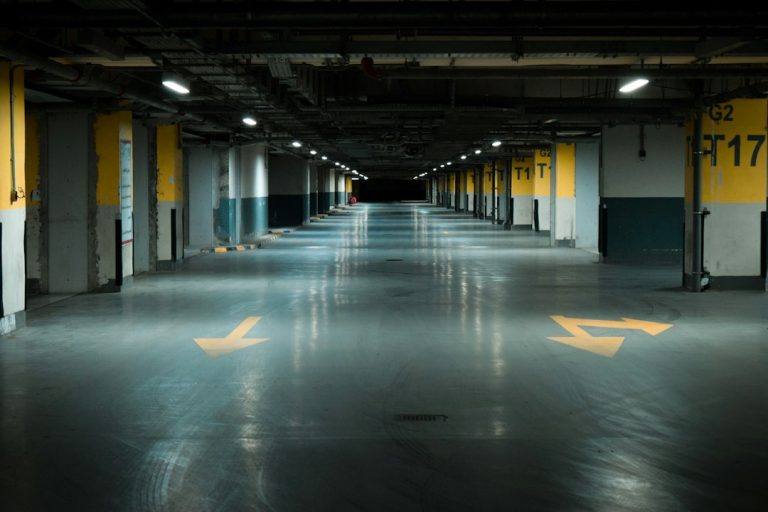





Dust, grime, and even tiny insects can significantly reduce the effectiveness of your warehouse lighting, leading to dimmer spaces, increased energy bills, and a less safe working environment. Regular cleaning and maintenance aren’t just good practices; they’re essential for optimizing light output, extending the lifespan of your fixtures, and keeping your operational costs in check. Let’s dive into how you can practically manage this.
Why Keeping Your Warehouse Lights Clean Matters
It might seem like a small detail in the grand scheme of warehouse operations, but the impact of neglected lighting Adamoshop can really add up. Think about it: every speck of dust that settles on a lamp or reflector blocks a tiny bit of light. Over time, those tiny bits accumulate, and suddenly your bright warehouse feels a lot dimmer. This isn’t just an aesthetic issue; it has tangible consequences for your bottom line and your team’s well-being.
Impact on Light Output and Quality
The most immediate effect of dirty light fixtures is a noticeable drop in illumination. Dust, grease, and other airborne particles act like tiny shades, absorbing or scattering light before it can reach your work surfaces. This means your lamps are working just as hard and consuming the same amount of energy, but you’re getting less usable light in return. It’s like paying for a full tank of gas but only being able to use half of it.
This reduction in light quality isn’t just about brightness. It can also affect color rendering and create uncomfortable glare if the dirt is unevenly distributed. For tasks requiring precision or accurate color identification, this can lead to mistakes and decreased productivity. In essence, dirty lights make your space feel dingy and less efficient.
Energy Consumption and Cost Implications
When your warehouse isn’t adequately lit due to dirty fixtures, what’s often the first response? Turn on more lights, or leave existing lights on longer. This directly translates to higher energy consumption. You’re effectively trying to compensate for the lost light by using more electricity, rather than addressing the root cause. This is a classic example of inefficiency, and over months and years, it can significantly inflate your utility bills.
Furthermore, dirt and dust can act as an insulating layer on fixtures, causing them to run hotter. This increased operating temperature can shorten the lifespan of bulbs and ballasts, leading to more frequent replacements and additional maintenance costs. It’s a double whammy: higher energy use and accelerated equipment wear.
Safety and Productivity Concerns
Dimly lit areas in a warehouse are inherently less safe. Obstacles become harder to see, trip hazards are more prevalent, and workers are more prone to errors and accidents. Adequate lighting is crucial for visibility, depth perception, and reducing eye strain, all of which contribute to a safer working environment. When lighting is compromised, the risk of incidents goes up.
Beyond safety, reduced illumination also impacts productivity. Workers in poorly lit conditions tend to experience fatigue and eye strain more quickly. This can lead to slower work rates, decreased accuracy, and a general dip in morale. Think about trying to read small labels or operate machinery in a perpetually dim environment – it’s frustrating and inefficient. A well-lit space, by contrast, supports focus, precision, and overall operational efficiency.
Planning Your Lighting Maintenance Program
Approaching lighting maintenance with a clear plan is far more effective than just reacting when a light goes out or the space feels too dark. A structured program helps you stay ahead of issues, optimize resources, and minimize disruption to your operations.
Assessing Your Current Lighting System
Before you start cleaning, you need to understand what you’re working with. This involves a thorough review of your existing lighting infrastructure. What types of fixtures do you have (LEDs, fluorescents, HID)? Are they open, enclosed, or equipped with specific lenses or reflectors? Different fixture types require different cleaning approaches and frequencies.
Also, consider the environmental conditions in your warehouse. Is it dusty? Greasy? Humid? These factors will dictate how quickly dirt accumulates and what kind of cleaning agents will be most effective. Take note of any areas that seem to accumulate dirt faster than others, as these might need more frequent attention. Documenting your fixture types, locations, and any specific considerations will form the bedrock of your maintenance plan.
Establishing a Cleaning Schedule
The frequency of cleaning largely depends on your specific warehouse environment and the type of lighting. A general guideline for most warehouses might be to clean fixtures every 6-12 months. However, in environments with high dust, debris, or manufacturing processes that generate particulate matter (like woodworking or metal fabrication), you might need to clean every 3-6 months. Conversely, a very clean, low-traffic storage facility might be able to stretch it to 12-18 months.
It’s not just about cleaning frequency; it’s also about timing. Can you schedule cleaning during off-peak hours or shutdowns to minimize disruption? If not, how can you safely cordon off areas while work is being done? Consider a staggered approach, cleaning different sections of the warehouse at different times to spread out the workload and avoid overwhelming your facility.
Budgeting for Maintenance
Effective lighting maintenance isn’t free, but it’s an investment that pays dividends. Your budget should account for several key elements: labor costs (whether internal staff or contractors), cleaning supplies (specific solutions, cloths, brushes), replacement parts (bulbs, ballasts, diffusers), and safety equipment (ladders, lifts, PPE).
Don’t just think about the immediate costs. Factor in the long-term savings from reduced energy consumption and extended equipment life. Sometimes, investing a bit more upfront in higher-quality, longer-lasting cleaning supplies or more efficient cleaning equipment can save you significant money down the road. It’s about understanding the total cost of ownership, not just the purchase price.
Essential Cleaning Procedures
Once you have a plan, it’s time to get into the practical aspects of cleaning. Safety is paramount, and using the right techniques and materials will ensure an effective clean without damaging your valuable lighting assets.
Safety First: Preparing for Cleaning
Before anyone touches a light fixture, safety protocols must be in place. This starts with proper lockout/tagout procedures to de-energize circuits and prevent accidental power-on. Never attempt to clean a live fixture. Clearly mark the work area with cones or barriers to alert employees and prevent access.
Workers involved in cleaning must be equipped with appropriate Personal Protective Equipment (PPE), which typically includes safety glasses, gloves, and sturdy non-slip footwear. If working at heights, fall protection gear (harnesses, lanyards) and stable, appropriate lifting equipment (ladders, scissor lifts, boom lifts) are non-negotiable. Ensure that all lifting equipment is inspected and in good working order before use. Also, make sure ladders are rated for the weight and height required and are placed on stable, level surfaces.
Cleaning Techniques for Different Fixtures
The method of cleaning will vary depending on the type of fixture you have.
LEDs
LED fixtures are often sealed units, so their primary cleaning need is to wipe down the exterior surface and any diffusers or lenses. Use a soft, lint-free cloth, slightly dampened with a mild, non-abrasive cleaning solution (often just water with a tiny bit of dish soap works fine). Avoid harsh chemicals or abrasive materials that could scratch the lens or damage the housing. For integrated LED arrays that might have exposed components, use compressed air to gently blow away dust, followed by a careful wipe down.
Fluorescent Lights
Fluorescent tubes and their reflectors or diffusers are common. For tubes, a dry, soft cloth can often remove dust. If there’s greasy residue, use a slightly damp cloth with a mild cleaner. For parabolic or open reflectors, a gentle brush can dislodge loose dust, followed by a wipe. Diffusers (the plastic or acrylic covers) should be removed if possible, washed with warm soapy water, rinsed thoroughly, and allowed to air dry completely before reinstallation. Pay attention to the inside of the fixture housing, where dust can accumulate.
High-Intensity Discharge (HID) Lamps (Metal Halide, High-Pressure Sodium)
HID fixtures often have robust enclosures and reflectors. The outer housing and any protective glass or polycarbonate lenses should be cleaned with a damp cloth and mild detergent. Reflectors, which are critical for light direction, need careful handling. Many are highly reflective aluminum; abrasive cleaners or cloths can permanently scratch them, reducing their efficiency. Use a soft cloth and a non-abrasabrasive cleaner. For very dusty or greasy reflectors, a gentle scrub with a soft brush and cleaner might be needed, but always test in an inconspicuous area first.
Choosing the Right Cleaning Supplies
Using the correct cleaning agents is crucial to avoid damaging fixtures or leaving residues.
Mild Detergents and Water
For the vast majority of cleaning tasks, a simple mixture of warm water and a small amount of mild dish soap is perfectly adequate. This solution is effective at cutting through grease and grime without being overly aggressive. Always ensure that the cloth is only damp, not soaking wet, to prevent moisture from entering electrical components.
Specialized Cleaners
In environments with stubborn residues like heavy grease, oil, or industrial grime, you might need specialized industrial cleaners. These should always be non-abrasive and non-conductive. Read product labels carefully to ensure they are safe for plastics, metals, and electrical components. Always test a small, hidden area first to check for discoloration or damage. Avoid ammonia-based cleaners, as they can sometimes cloud or yellow plastic diffusers over time.
Tools and Equipment
Essential tools include soft, lint-free cloths (microfiber is excellent), soft brushes for dislodging dust in crevices, and if needed, compressed air for delicate components. For reaching high fixtures, reliable ladders, lifts, or extension poles with cleaning attachments are necessary. Ensure all equipment is clean itself to avoid transferring dirt back onto cleaned surfaces.
Proactive Maintenance and Troubleshooting
Cleaning is just one part of the equation. Regular inspections and timely repairs are equally important for a truly effective lighting maintenance program.
Regular Inspections and Spot Checks
Don’t wait until a light completely fails to address issues. Incorporate visual inspections into your routine. This could be as simple as a designated person doing a walkthrough once a week or month, specifically looking at lighting.
What to look for during inspections:
- Dim or flickering lights: These are early indicators of a lamp nearing its end of life or a problem with the ballast or driver.
- Discolored or burnt-out bulbs: Obvious signs that a replacement is needed.
- Accumulation of dust and debris: Indicates that cleaning is overdue.
- Damaged fixtures: Cracked diffusers, bent housings, or exposed wiring are safety hazards and need immediate attention.
- Inoperative fixtures: Note any lights that are completely out.
- Excessive heat: While harder to spot visually, if a fixture feels unusually hot to the touch (after lockout/tagout, of course), it could indicate an electrical issue.
Catching these issues early can prevent larger problems and ensure consistent light levels.
Replacing Lamps and Components
Replacing lamps (bulbs) at the right time is more than just waiting for them to burn out. Many lamps experience a significant drop in light output (lumen depreciation) long before they completely fail. Implementing a group relamping strategy, where all lamps in a section are replaced at a predetermined interval (e.g., when they’ve reached 80% of their rated life), can be more cost-effective than individual spot replacements. This minimizes labor costs and ensures uniform light levels.
When replacing components like ballasts or drivers, always use exact or equivalent replacements recommended by the manufacturer. Mismatched components can lead to premature failure of the new part or the lamp itself, and can pose a fire hazard. Keep a small stock of common replacement lamps and parts on hand to minimize downtime.
Addressing Electrical Issues
Electrical problems are serious and should only be handled by qualified electricians. If you notice any of the following, de-energize the circuit immediately and call a professional:
- Burning smells: This is a strong indicator of overheating wires or components.
- Audible buzzing or humming from fixtures: While some ballasts can hum slightly, excessive or new buzzing can signal a problem.
- Frequent circuit breaker trips: This indicates an overload or a short circuit somewhere in the system.
- Sparking or visible arcing: An immediate and severe safety hazard.
- Hot spots on wiring or conduit: Can indicate excessive current draw or loose connections.
Ignoring electrical issues is not an option; it puts your entire facility and personnel at risk.
Advanced Considerations and Upgrades
Beyond basic cleaning and maintenance, there are strategic steps you can take to further optimize your warehouse lighting for efficiency, longevity, and performance.
Embracing LED Technology
If you’re still using older fluorescent or HID lighting, switching to LED technology is perhaps the most impactful upgrade you can make. LEDs offer significantly longer lifespans (often 50,000 to 100,000 hours, compared to 10,000-20,000 for fluorescents), dramatically lower energy consumption, and superior light quality.
While the initial investment can be higher, the long-term savings in energy bills and reduced maintenance (fewer bulb replacements) typically provide a very attractive return on investment. LEDs also reach full brightness instantly, are dimmable, and perform better in cold temperatures, making them ideal for many warehouse environments. The reduced heat output of LEDs also contributes to a cooler warehouse and can lessen the load on HVAC systems.
Incorporating Lighting Controls
Even the most efficient LED system can waste energy if lights are on when nobody needs them. Implementing lighting controls can further enhance energy savings and improve operational flexibility.
Motion Sensors and Occupancy Sensors
These devices automatically turn lights on when movement is detected and off after a period of inactivity. They are particularly effective in aisles, storage areas, and other spaces that are not continuously occupied. This ensures that light is only provided when and where it’s needed, saving significant energy over time.
Daylight Harvesting
If your warehouse has skylights, windows, or other sources of natural light, daylight harvesting systems can be highly beneficial. These systems use sensors to detect the amount of natural light available and then automatically dim or turn off artificial lights to maintain a consistent light level. This maximizes the use of free natural light and minimizes reliance on electricity.
Timers and Scheduling
For areas with predictable operating hours, simple timers or programmed schedules can ensure lights are only on during operational times. This prevents lights from being accidentally left on overnight or during weekends. Modern lighting control systems can often integrate with building management systems, allowing for sophisticated scheduling and remote management.
Professional Maintenance Services
While some cleaning and basic maintenance can be handled in-house, consider contracting with professional lighting maintenance services, especially for larger warehouses or complex lighting systems. Professionals have the specialized equipment (lifts, scaffolding), training, and expertise to perform tasks safely and efficiently.
They can offer comprehensive services including:
- Regular cleaning: Ensuring fixtures are spotless and optimized.
- Proactive relamping: Replacing bulbs before they fail, maintaining consistent light levels.
- Ballast and driver replacement: Diagnosing and fixing electrical components.
- Emergency repairs: Responding quickly to outages or critical issues.
- System audits: Identifying opportunities for energy efficiency upgrades or improvements.
Bringing in experts can free up your internal staff to focus on their primary duties while ensuring your lighting system remains in peak condition, ultimately contributing to a safer, more productive, and cost-efficient warehouse operation.
About the Author