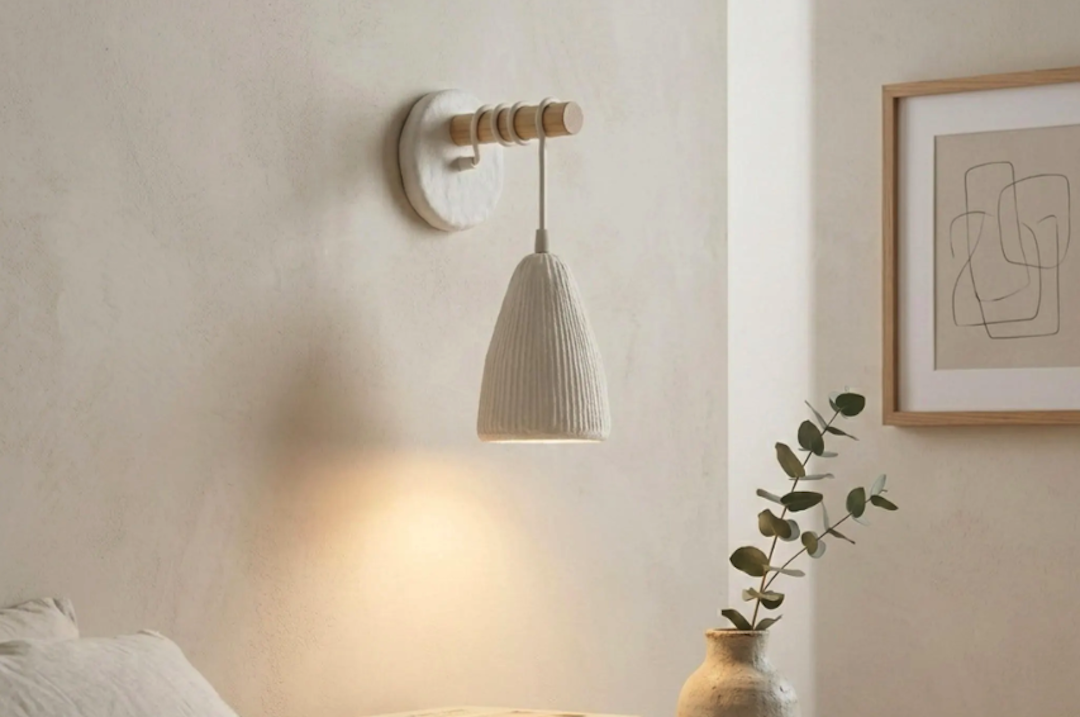
The aesthetic of wabi-sabi, with its focus on impermanence, imperfection, and the beauty found in the natural and transient, offers a philosophical framework that can be applied to various design elements. Within this context, white plaster wall sconces emerge as a prominent and compelling design choice. These fixtures, by their very nature and material, embody core tenets of wabi-sabi, creating a dialogue between the built environment and the subtle rhythms of decay and renewal.
Wabi-sabi is not a style to be rigidly adhered to, but rather a worldview that appreciates the transient nature of things. It finds beauty in the imperfect, the incomplete, and the modest. Unlike prevailing Western design philosophies that often strive for symmetry, flawlessness, and an enduring, almost sterile, perfection, wabi-sabi embraces the opposite. It acknowledges that everything ages, decays, and eventually disappears. This acceptance allows for a deeper appreciation of the present moment and the inherent character that develops over time.
The Core Principles
At its heart, wabi-sabi is characterized by several key principles that influence its application in design. These are not prescriptive rules but rather guiding concepts.
Imperfection (Fukinsei)
Fukinsei refers to asymmetry, irregularity, and the absence of perfection. This can manifest in the organic shapes of natural objects, the unevenness of handcrafted items, or the subtle cracks and blemishes that appear with age. In design, embracing fukinsei means moving away from manufactured uniformity and finding beauty in the unique irregularities that tell a story.
Simplicity (Kanso)
Kanso emphasizes the elimination of clutter and ornamentation. It seeks to distill elements down to their essential nature. This does not mean stark minimalism, but rather a pared-down approach that allows the inherent qualities of materials and forms to speak for themselves. Think of the unadorned elegance of a single, well-placed object.
Austerity (Shibui)
Shibui describes a subtle, understated beauty. It is a taste that is not immediately obvious but develops over time, often through a process of refinement and quiet observation. It eschews the garish and the flamboyant, favoring instead a reserved elegance that unfolds gradually.
Naturalness (Shizen)
Shizen highlights the absence of pretense or artificiality. It champions the use of natural materials and forms that are unforced and organic. This can include wood that retains its natural grain, stone with its inherent textures, or textiles that exhibit the subtle variations of their origin.
Subtlety (Yugen)
Yugen refers to a profound, mysterious grace. It suggests a depth that is not fully revealed, inviting contemplation and inner richness. This is the beauty that hints at more, that sparks imagination and evokes a sense of wonder without being explicit.
Transience (Mujō)
Mujō acknowledges the impermanence of all things. It recognizes that beauty is fleeting and that change is inevitable. This principle encourages an appreciation for the present moment and the beauty that arises from decay, aging, and transformation.
Wabi-Sabi in Contrast to Modern Aesthetics
The prevailing trends in modern design often prioritize a polished, manufactured, and often digitally-perfected aesthetic. This can lead to environments that feel somewhat sterile and lacking in character. Wabi-sabi offers a counterpoint to this, proposing a more humanistic and grounded approach. While modernism might celebrate the machine-made and the pristine, wabi-sabi finds value in the handmade and the weathered. The shine of polished metal might be favored in one, while the warm patina of aged brass is embraced in the other. The stark, geometric lines of some modern designs contrast with the organic and often asymmetrical forms favored in wabi-sabi.
White Plaster Wall Sconces: A Material Dialogue
White plaster, as a material, is inherently resonant with the principles of wabi-sabi. Its application in wall sconces Zeveau provides a tangible link between the philosophical concept and its physical manifestation. Unlike materials that are designed for perpetual shine and flawless resilience, plaster possesses a different narrative.
The Nature of Plaster
Plaster, in its raw or applied form, is a mutable substance. It can be mixed, molded, and finished in various ways, but it retains a certain vulnerability. It is susceptible to the passage of time, absorbing the nuances of its environment.
Texture and Tactility
The texture of white plaster is a key element in its wabi-sabi appeal. It is rarely perfectly smooth. Even in the most carefully applied finish, there are micro-variations – subtle undulations, almost imperceptible pores, or the delicate texture left by the application tool. These variations invite touch and create a sense of tangible reality, a departure from the often-slippery smoothness of other materials.
The Color White: A Canvas for Imperfection
While seemingly a stark and pure color, white in the context of plaster becomes a canvas for subtle imperfections to emerge. It does not mask blemishes but rather highlights them. Dust, the shadow of a passing hand, or the faint discoloration that might occur over time are not seen as flaws to be immediately corrected but as part of the material’s unfolding story. This is akin to a blank page where the marks of ink, however faint, contribute to the narrative.
Molding and Form
Plaster can be cast or sculpted into a variety of forms. In sconce design, this allows for organic shapes, subtle curves, and designs that mimic natural elements. The inherent softness of plaster when wet allows for a fluidity in these forms, which can then be hardened to retain a sense of that natural flow.
The Aging Process of Plaster
Perhaps the most significant wabi-sabi characteristic of plaster is its aging process. It does not remain static but evolves, accumulating character.
Patina Development
Over time, white plaster can develop a subtle patina. This is not a uniform darkening like aged metal but rather a nuanced shift in tone. Dust settles into crevices, light subtly alters the surface, and the material may absorb minute traces of its environment. This slow transformation is a visual representation of mujō, the transient nature of existence.
Cracks and Imperfections
Small, hairline cracks can appear in plaster over time due to fluctuations in temperature and humidity, or the natural settling of a building. Instead of being perceived as damage requiring immediate repair, these cracks can be appreciated as markers of time and the material’s response to its environment. They are like the wrinkles on an elder’s face, telling a story of lived experience.
Wear and Tear
Areas of high traffic or frequent touch may show subtle signs of wear. This is not a negative aspect but rather an indication that the sconce is integrated into the life of the space, becoming a part of its history.
Embracing the Organic Form in Sconce Design
The application of wabi-sabi principles to white plaster wall sconces encourages designs that draw inspiration from the natural world, moving away from rigid geometric repetition.
Mimicking Natural Shapes
The organic, flowing forms found in nature offer a rich source of inspiration for plaster sconce design.
Leaf and Petal Motifs
Sconces can be crafted to resemble unfurling leaves, the delicate curves of flower petals, or arrangements of natural foliage. These forms are inherently asymmetrical and possess a tactile quality that resonates with wabi-sabi. The plaster can be molded to capture the veining of a leaf or the gentle ripple of a petal.
Shell and Rock Formations
The irregular shapes of seashells, the weathered surfaces of river stones, or the layered strata of rock formations can all inform sconce design. These natural objects exhibit varying textures and imperfections that are highly valued in wabi-sabi. The materiality of plaster lends itself well to replicating the rough, pitted surfaces of stone or the smooth, undulating curves of a shell.
Branching and Root Structures
The intricate, often asymmetrical patterns of tree branches or root systems can be translated into sconce designs that appear to grow from the wall. These forms are complex yet natural, demonstrating a kind of untamed elegance.
Asymmetry and Irregularity as Design Elements
Departing from perfect symmetry is a hallmark of wabi-sabi. In sconce design, this translates to irregular outlines, off-center elements, or designs that intentionally avoid mirroring.
Uneven Edges and Silhouettes
The edges of a plaster sconce might not be perfectly straight or uniformly rounded. They can feature subtle warps, gentle undulations, or a slightly broken outline, mimicking the way natural objects are rarely geometrically precise.
Off-Center Illumination
The light source or diffuser within the sconce might be intentionally placed off-center, creating an asymmetrical spread of light that plays with shadows and highlights in an interesting, unplanned way.
Gradual Transitions
Instead of sharp, defined transitions between elements, wabi-sabi favors gradual, organic merges. A plaster sconce might transition from a flared base into a softer, more diffused shade in a way that feels fluid and natural, like the merging of landforms.
The Play of Light and Shadow
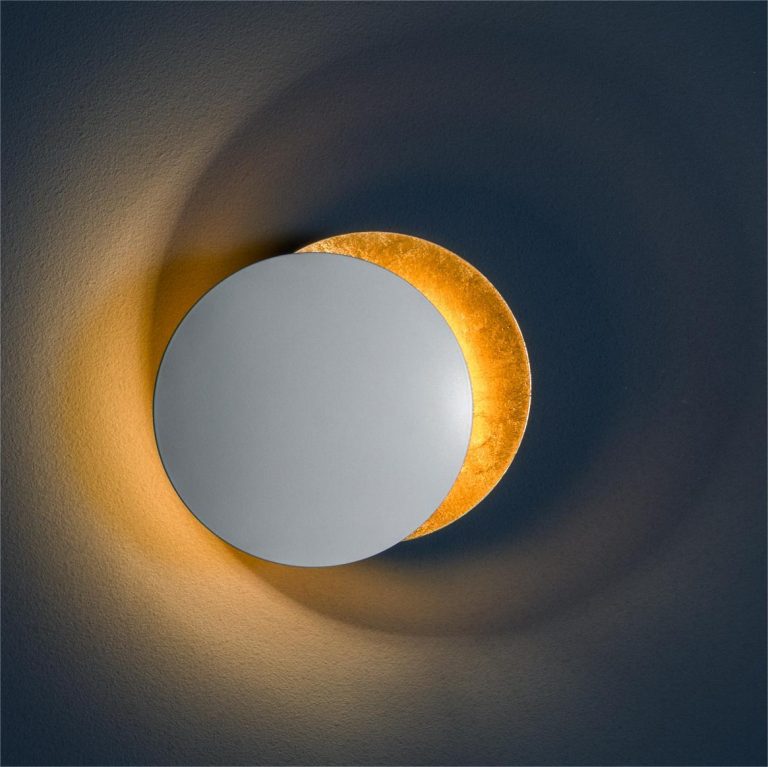
The interplay of light and shadow is crucial in wabi-sabi design, and white plaster sconces are particularly adept at creating this effect. The material’s texture and form interact with illumination in ways that reveal its inherent character.
Subtle Diffusion
The textured surface of plaster can act as a gentle diffuser for light. Instead of a harsh glare, it softens and spreads the illumination, creating a warm and inviting atmosphere.
Softened Glow
The light emitted from a plaster sconce is often a soft, ambient glow, rather than a focused beam. This is achieved through the material’s inherent ability to absorb and scatter light, creating a less direct and more enveloping experience. This subtle effect can be compared to the gentle illumination of moonlight filtering through leaves.
Textured Illumination
The imperfections and variations in the plaster surface can create interesting shadow patterns when illuminated. The subtle grooves, bumps, and undulations become highlighted, adding a layer of visual depth to the light itself.
Evoking Mood and Ambiance
The way light is perceived is directly linked to mood. Wabi-sabi sconces contribute to an atmosphere of calm, contemplation, and understated beauty.
Creating Intimacy
The soft, diffused light from plaster sconces can create intimate pockets of illumination, making a space feel more personal and cozy. This is especially effective in dining areas or reading nooks.
Enhancing a Sense of Serenity
The absence of harsh, direct light contributes to a serene and peaceful ambiance. The gentle illumination encourages a slower pace and a more mindful experience of the space.
Highlighting Natural Materials
The warm, diffused light can also enhance the natural textures and colors of other materials in the room, such as wood, stone, or textiles, furthering the wabi-sabi aesthetic.
Integration into Interior Spaces
The aesthetic of wabi-sabi, as embodied by white plaster wall sconces, is not about imposing a style but about integrating elements that resonate with a particular philosophy and enhance the existing environment.
Contextual Harmony
Wabi-sabi sconces do not demand to be the focal point of a room but rather seek to harmonize with their surroundings. They are not shouting for attention but whispering a quiet elegance.
Complementing Natural Materials
These sconces pair exceptionally well with other natural materials. Imagine them alongside exposed brickwork, reclaimed wood beams, rough-hewn stone, or textured linen upholstery. They become part of a cohesive material palette that speaks of authenticity and groundedness.
Enhancing Existing Architecture
In spaces with architectural character, such as old farmhouses, minimalist lofts, or spaces with exposed structural elements, plaster sconces can enhance the existing narrative. They can feel like they have always been a part of the building, rather than a recent addition.
Creating Zones of Tranquility
The gentle illumination offered by white plaster sconces can be used to create designated areas of calm and contemplation within a larger space.
Reading Nooks
A small alcove or corner equipped with a comfortable chair and a plaster sconce casting a soft light becomes an inviting retreat for reading or quiet reflection. The sconce provides just enough light without overwhelming the senses.
Hallways and Corridors
In hallways or transitional spaces, these sconces can provide a subtle, guiding light that is both functional and aesthetically pleasing. They prevent harsh overhead lighting from dominating these often-overlooked areas.
Bedrooms and Private Spaces
The calming effect of diffused light is particularly beneficial in personal spaces like bedrooms, where a sense of relaxation and tranquility is paramount.
The Concept of “Woven Life”
The idea of “woven life” in wabi-sabi refers to how objects become part of the fabric of daily existence, accumulating memories and character through use. White plaster sconces, with their evolving nature, are well-suited to this concept.
Signs of Use as Storytelling
A faint smudge on the plaster from a passing hand, the subtle discoloration where a plant’s shadow has fallen for years, or the minute crack that has developed over time are not viewed as defects but as inscriptions of life. They are like the wear on the handle of a beloved tool, a testament to its utility and affection.
Enduring Beauty Through Imperfection
Unlike objects that are designed to be perpetually pristine, the beauty of a wabi-sabi plaster sconce lies in its ability to age gracefully. It embodies the understanding that true beauty is not static but dynamic, evolving and adapting, much like life itself. They remind us that perfection is an illusion and that authentic beauty resides in the acceptance of change and imperfection.
About the Author