
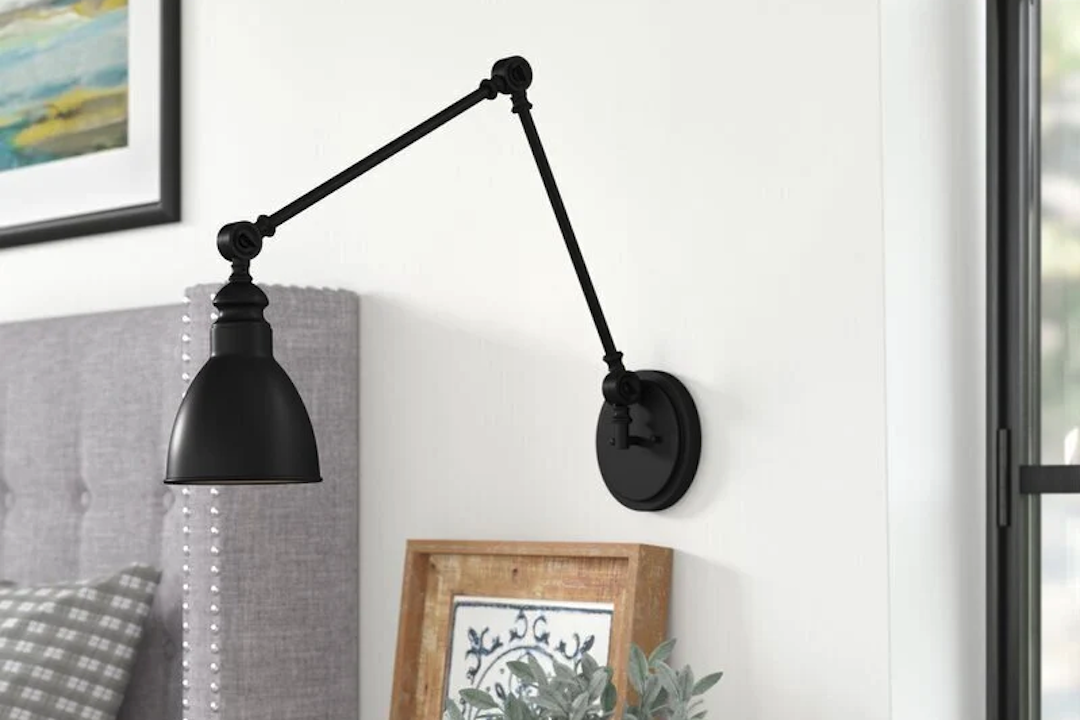
A double head swing arm reading lamp can significantly improve your bedside setup by offering adaptable, focused lighting perfect for reading, crafting, or simply navigating your room without disturbing a partner. It’s a practical solution for anyone who needs versatile illumination right where they need it.
These lamps Seanoon aren’t just about having two light sources; they’re about flexibility. Imagine being able to illuminate your book with one light while the other provides a softer, ambient glow for the surrounding area, or perhaps for a task your partner is doing. This level of independent control makes a real difference in a shared space.
Independent Lighting Control
Many models allow you to turn each light on or off independently. This is key. You might want only a small pool of light on your page while your partner sleeps undisturbed, or you might need both lights on full for a detailed task. Having separate switches or dimmers gives you that precision.
Versatility in Placement
Swing arm lamps are designed to be adjustable. They can extend, retract, and swivel. This means you can position the light exactly where it’s needed, reducing glare and eyestrain. If you’re reading in bed, you can pull the light closer. When you’re done, push it out of the way.
Key Features to Look For
Not all double head swing arm lamps are created equal. Knowing what features matter prior to buying one can save you from buyer’s remorse.
Adjustable Arms and Heads
The core benefit here is the ability to direct light precisely. Look for lamps with sturdy, well-articulated arms that hold their position once adjusted. Flimsy arms that droop can be a constant annoyance. The lamp heads themselves should also be adjustable, allowing you to tilt and swivel the light source.
Range of Motion
Consider how far the arms can extend and in what directions they pivot. If you have a wide bed, you might need a lamp with a greater reach. If you often read sitting upright or reclined, ensure the heads can pivot to illuminate your chosen reading spot without creating shadows.
Material and Durability
A lamp that feels cheap will likely behave cheaply. Look for materials like metal (steel, aluminum, brass) for the arms and base. Plastic components should be robust, especially in critical joint areas. Durability here means the lamp will maintain its position over time and withstand regular adjustments.
Lighting Options: Bulbs and Brightness
The type of bulbs and the brightness control mechanisms are important for both functionality and energy consumption.
Bulb Compatibility
Many modern lamps are designed for LED bulbs, which are energy-efficient and long-lasting. Check the socket type (e.g., E26 for standard use, E12 for candelabra) and the maximum wattage. Some lamps come with integrated LEDs, meaning you can’t replace the bulbs easily. This might simplify things but could limit future upgrades to different color temperatures or smart bulb integration.
Dimming Capabilities
This is a major comfort feature. Stepless dimming offers the most precise control over brightness. Preset dimming levels are also useful. Being able to adjust the light from a bright task light to a soft nightlight without having to get up and change bulbs is a practical benefit.
Color Temperature
Lighting color temperature influences your mood and sleep cycle. Look for lamps that allow you to change the color temperature, or at least come with bulbs in a temperature that suits your needs (e.g., warmer kelvin for relaxation, cooler for alertness). Typically, 2700K-3000K is good for winding down, while 4000K-5000K is better for focused work.
Mounting and Stability
How the lamp is mounted, or how stable its base is, dictates its usability and safety.
Clamp-on vs. Stand-alone
Clamp-on models are great for saving space on a nightstand. They attach directly to a headboard, shelf, or the side of the nightstand itself. Stand-alone models, with a heavy base, offer more flexibility in placement on top of a surface but take up more room. Consider which option best fits your spatial constraints and aesthetic preferences.
Wall-mounted Options
Some double swing arm lamps are designed to be wall-mounted. These can be particularly neatlooking and free up all nightstand space, but they require installation and a power outlet nearby. Hardwired versions hide cords completely for a cleaner look.
Placement Considerations
Where you put the lamp can influence its usefulness. Think about your habits and your bedroom layout.
Shared Bedside Table
If you share a nightstand, a double head lamp can be a smart compromise. Each arm can serve one side of the bed, eliminating the need for two separate lamps and saving space. It also ensures both individuals have adequate reading light.
Reading and Task Zones
Consider your typical activities. Do you read upright against pillows, or do you tend to recline sideways? A lamp with a good range of motion can adapt to these different positions. If you also use your bedside for crafting or writing, bright, adjustable lighting is even more crucial.
Avoiding Glare and Shadows
Positioning the lamp head slightly above and to the side of your reading material minimizes direct glare into your eyes. Experiment with angles to find the sweet spot that illuminates your page evenly without casting shadows from your head or hands.
Operational Comfort
Ease of use contributes significantly to satisfaction with any product.
Switch Accessibility
Can you easily reach the power switch or dimming controls from your typical reading position? Some lamps have switches on the cord, others on the lamp head or base. Consider motion-activated versions or lamps with remote controls for added convenience. This is especially helpful if you’re already settled and comfortable.
Cord Management
A well-designed lamp will have some form of cord management to keep things tidy. Loose cords can be tripping hazards or simply look messy. Integrated channels or clips can help keep the power cord out of sight.
USB Charging Ports (Optional but Handy)
Many modern bedside lamps integrate USB charging ports for phones, tablets, or e-readers. While not directly related to lighting, it’s a convenient add-on that reduces clutter from separate chargers and power bricks.
Maintaining Your Lamp
Just like any other piece of furniture or electronics, a little care can extend the life of your double head swing arm lamp.
Dusting and Cleaning
Regularly dust the lamp shades and arms. For metal parts, a soft, damp cloth can remove fingerprints or smudges. Avoid harsh chemical cleaners, as these can damage finishes, especially on painted or lacquered surfaces.
Checking Joints
Periodically check the tension in the swing arm joints. If the lamp arms start to droop or feel loose, some models allow you to tighten screws with an Allen wrench or screwdriver. This keeps the lamp functional and prevents accidental drops.
Bulb Replacement
If your lamp uses replaceable bulbs, ensure you use bulbs of the correct wattage and type as specified by the manufacturer. Using higher wattage bulbs can overheat the fixture and pose a fire risk. Always turn off the lamp and let it cool down before attempting to change a bulb.
A double head swing arm reading lamp provides a practical and adaptable lighting solution for your bedside. By focusing on adjustability, lighting quality, and operational ease, you can find a lamp that enhances your reading experience without unnecessary fuss, making your nightly routine simpler and more comfortable.
About the Author