Beyond the Button: Smart Control Meets Handblown Beauty
Yes, a smart app-controlled floor lamp with an elegant handblown glass finish exists, and it’s a fantastic blend of modern technology and traditional artistry. These lamps offer unparalleled convenience through smartphone control for brightness, color temperature, and even color, while simultaneously elevating your home’s aesthetic with their unique, handcrafted glass elements. It’s about bringing sophisticated lighting and smart home functionality together, not as a gimmick, but as a genuine enhancement to your living space.
What Makes These Lamps Special?
These aren’t your average floor lamps. The combination of smart technology and handblown glass creates a product that’s both highly functional and a genuine work of art. It’s a conversation starter, a mood setter, and a practical lighting solution all rolled into one. The appeal lies in this duality – the robust, tactile quality of handblown glass meeting the invisible, effortless control of smart technology.
The Art of Handblown Glass
Handblown glass is a labor of love, a traditional craft that involves shaping molten glass with specialized tools and lung power. Each piece is unique, bearing the subtle marks of the artisan – slight variations in thickness, tiny air bubbles, or nuanced imperfections that add character rather than detract. This isn’t mass-produced, uniform glass; it’s about individuality and the human touch. When used in a lamp, this means the light diffusion through the glass will be softer, more organic, and often more interesting than through standard machine-made glass. It can create captivating patterns and reflections, enhancing the ambiance of a room in a way that regular glass often cannot. The elegance comes from this bespoke quality and the intrinsic beauty of the material itself. Think of how light plays through a finely crafted wine glass versus a standard tumbler – the difference is palpable.
The Power of Smart Control
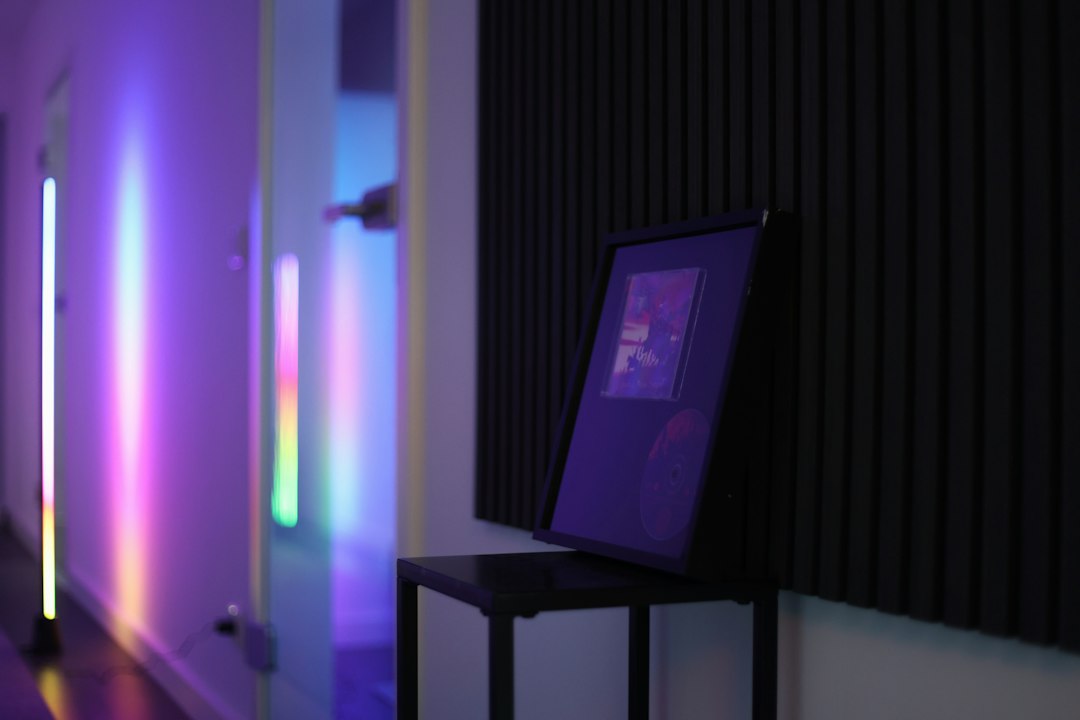
Integrating smart technology takes a beautiful lamp and makes it incredibly versatile. With an app on your smartphone or tablet, you gain immediate, precise control over your lighting environment. This goes beyond just turning it on and off. You can adjust the brightness to suit your task or mood, from a soft glow for relaxation to a brighter light for reading. Many smart lamps also offer tunable white light, allowing you to shift from cool, energizing daylight tones to warm, inviting incandescent hues. Some even include full RGB (red, green, blue) color control, opening up a world of possibilities for ambient lighting, mood setting, or even festive decorations. The convenience extends to scheduling, setting timers, and integrating with other smart home devices, making your lighting an active participant in your home’s ecosystem.
A Fusion of Form and Function
The true magic happens when these two elements – the artistry of handblown glass and the practicality of smart control – come together seamlessly. The handblown glass ensures the lamp is a statement piece even when turned off, adding texture and visual interest to your decor. When it’s on, the smart controls allow you to optimize the light to highlight the beauty of the glass, creating dynamic effects that shift throughout the day or evening. It’s not just about a pretty lamp; it’s about a lamp that adapts to your life, your schedule, and your aesthetic preferences, all while looking undeniably good. This fusion avoids the pitfall of smart devices looking too utilitarian or the downside of decorative pieces lacking practical functionality.
Practical Benefits of App Control
Beyond the “wow” factor, the app control aspect of these lamps offers a host of practical advantages that genuinely improve daily living. It’s about more than just convenience; it’s about creating a responsive and adaptable lighting environment.
Effortless Ambiance Creation
Imagine you’re settling in for a movie. Instead of fumbling with a dimmer switch or getting up to turn off several lamps, you simply open an app, select your “movie night” scene, and the lights dim to a warm, soft glow. When you’re hosting guests, you can set a brighter, more inviting scene. Need to focus on reading? A tap of a button can shift the light to a crisp, clear white. This ability to instantly change the entire mood and functionality of a room with minimal effort is a game-changer. You’re not just turning a light on; you’re orchestrating the atmosphere.
Convenience at Your Fingertips
No more searching for pull chains or wall switches in the dark. Your smartphone is almost always within reach, giving you immediate control. This is particularly useful for floor lamps, which are often placed in corners or behind furniture, making their physical switches less accessible. If you’re already cozy in bed or on the sofa, being able to adjust the lighting without moving is a small but significant luxury. For those with mobility challenges, app control can be a genuinely liberating feature.
Energy Efficiency and Scheduling
Many smart lamps are LED-based, which are inherently more energy-efficient than traditional incandescent bulbs. The app control further enhances this by allowing you to precisely dim lights, reducing energy consumption when full brightness isn’t needed. Scheduling features mean you can program your lamp to turn on or off at specific times, ensuring lights aren’t left on unnecessarily. For instance, you could have it turn on a few minutes before you arrive home, or slowly dim as a gentle wake-up light in the morning. This saves energy and can even contribute to a sense of security by making your home appear occupied when you’re away.
Integration with Smart Home Ecosystems
These lamps often play nicely with other smart home devices. This means you might be able to control them with voice commands through assistants like Amazon Alexa or Google Assistant. You could also set up automation routines: for example, when your smart thermostat detects you’ve left the house, the lamp automatically turns off. Or, when your smart door lock unlocks, the lamp can turn on to welcome you home. This level of integration elevates the lamp from a standalone device to an active participant in your connected home, simplifying routines and adding another layer of convenience.
The Aesthetic Appeal of Handblown Glass
While smart features are fantastic, the handblown glass finish is what truly sets these lamps apart visually. It transforms a utilitarian object into a decorative one, adding texture, depth, and a touch of artisanal luxury.
Unique, Artisanal Craftsmanship
Every handblown glass piece is a testament to skill and artistry. Unlike machine-made glass which aims for absolute uniformity, handblown glass embraces subtle variations. You might find minute air bubbles trapped within the glass, slight differences in the curvature, or variations in color density. These aren’t flaws; they are signatures of the human hand, making each lamp truly one-of-a-kind. This individuality adds significant character to a space, reflecting a preference for craft over mass production. It tells a story of creation, a departure from the sterile, identical objects often found in modern homes.
Soft, Diffused Light Quality
One of the most appealing aspects of glass in lighting, especially handblown varieties, is how it interacts with light. The inherent textures and often slightly opaque nature of handblown glass can diffuse the light beautifully. Instead of a harsh, direct beam, you get a softer, more ambient glow that spreads evenly. This creates a much more inviting and relaxing atmosphere in a room. The light is filtered, often casting interesting patterns or shadows, adding depth and visual interest that a bare bulb or standard lampshade simply can’t achieve. Different glass finishes – frosted, textured, colored – will all produce unique lighting effects, allowing for further personalization of the lamp’s aesthetic and functional output.
A Statement Piece for Any Decor
Given their unique nature and often intricate designs, these lamps aren’t just light sources; they’re sculptural elements. They can serve as a focal point in a room, drawing the eye and adding a touch of elegance, whether your style is minimalist, contemporary, industrial, or even more traditional. The glass itself can vary widely, from clear and geometric to organic and colored, meaning there’s likely a handblown glass style that complements virtually any interior design scheme. It elevates the space, demonstrating an appreciation for craftsmanship and design, and can tie together different elements of a room’s decor. It’s an investment in both illumination and interior styling.
What to Look for When Buying
Choosing the right smart app-controlled floor lamp with a handblown glass finish involves a bit more than just liking the look. You’ll want to consider both the smart features and the quality of the glass to ensure it meets your needs and expectations.
Smart Home Ecosystem Compatibility
Before you buy, consider your existing smart home setup. Is it primarily Google Home, Amazon Alexa, Apple HomeKit, or a specific brand like Philips Hue or SmartThings? Ensure the lamp you choose is compatible with your preferred ecosystem. This is crucial for seamless integration, voice control, and automation routines. Check for labels like “Works with Alexa,” “Google Assistant compatible,” or “HomeKit enabled.” Some lamps might use their own proprietary app but also offer integrations, so it’s worth checking the specifics. A lamp that stands alone in terms of smart control will be less convenient than one that plays well with your other devices.
Glass Quality and Design
Since the handblown glass is a significant part of the lamp’s appeal, pay close attention to its quality and design. Look for descriptions that highlight the artisan process, and if possible, view high-resolution images that showcase the glass’s texture, clarity (or opacity), and any unique characteristics like air bubbles or subtle color variations. Consider how the glass will diffuse light – do you want a warm, diffused glow, or something more direct? Think about the shape and color of the glass and how it will complement your existing decor. Is it a clear, geometric design that emphasizes light reflection, or a more organic, colored piece that adds a pop of accent? Remember, handblown means unique, but it should still be well-crafted and aesthetically pleasing to you.
Lighting Features (Color, Brightness, White Tones)
Beyond basic on/off, what kind of lighting flexibility do you need?
- Brightness: Look for a wide dimming range. Can it go from a very low night light to a bright task light?
- Tunable White: If you appreciate adjusting the color temperature, ensure the lamp offers “tunable white” capabilities, allowing you to shift from cool blue-white (for focus) to warm yellow-white (for relaxation). Look for Kelvin (K) ranges, typically 2700K (warm) to 6500K (cool).
- RGB Color: If you want to experiment with mood lighting or specific accent colors, ensure it has full RGB color control. Not all smart lamps offer this, so check the specifications carefully.
- Scenes and Presets: Does the app allow you to save custom lighting “scenes” or come with pre-set options? This makes switching between moods much quicker.
Base and Overall Construction
While the glass is the star, the base and overall construction of the lamp are equally important for stability, durability, and aesthetics.
- Material: What is the base made of? Metal (brass, steel, bronze), wood, or a combination? Ensure it feels sturdy and well-finished.
- Height and Footprint: Consider where you plan to place the lamp. Will its height and base footprint fit comfortably without being knocked over easily or overwhelming the space?
- Cord Management: Is there a discreet way to manage the power cord? A messy cord can detract from the lamp’s elegance.
- Ease of Assembly: While not a deal-breaker, a lamp that is easy to assemble is always a plus.
Price and Brand Reputation
These lamps often sit at a higher price point due to the handblown glass and integrated smart technology. Set a realistic budget. Research the brand’s reputation for both their smart home products (reliability of the app, updates, customer support) and their craftsmanship in lighting or glass. Reading reviews can offer insight into real-world experiences with the product’s performance and durability. A well-known brand might offer better long-term support and software updates for the smart features.
Setting Up and Using Your Smart Lamp
Once you’ve unboxed your beautiful new lamp, getting it set up and integrating it into your home is usually straightforward, designed to be user-friendly even for those new to smart home tech.
Initial Setup and Pairing
Most smart lamps follow a similar setup process.
- Assemble the Lamp: Carefully assemble the lamp according to the manufacturer’s instructions. This usually involves attaching the base, pole, and then the glass shade. Be extra cautious with the handblown glass to avoid damage.
- Download the App: Locate the specific app for your lamp (usually indicated in the manual or on the packaging) in your smartphone’s app store.
- Connect to Power: Plug in your lamp. It will often blink or pulse to indicate it’s in pairing mode.
- Open the App and Pair: Launch the app, create an account if necessary, and follow the on-screen prompts to “add a device.” The app will typically guide you through connecting the lamp to your home’s Wi-Fi network. This might involve temporarily connecting your phone to the lamp’s own Wi-Fi signal before switching back to your home network.
- Name Your Lamp: Once paired, give your lamp a descriptive name, like “Living Room Floor Lamp” or “Reading Nook Lamp.” This will be helpful for voice commands and organization, especially if you add more smart lights later.
Integrating with Voice Assistants
If you use a voice assistant like Alexa or Google Assistant, integrating your new lamp is the next step for hands-free control.
- Enable the Skill/Service: Open your Alexa or Google Home app. Navigate to “Skills” (Alexa) or “Works with Google” (Google Home). Search for the brand of your lamp or the smart home platform it uses (e.g., “Tuya Smart,” “Smart Life”).
- Link Accounts: Enable the skill/service and link your lamp’s app account to your voice assistant account. You might need to log in to your lamp’s app through the voice assistant app.
- Discover Devices: Once linked, instruct your voice assistant to “discover devices” or “sync my devices.” It should find your new lamp.
- Test Voice Commands: Try commands like “Alexa, turn on Living Room Floor Lamp” or “Hey Google, set Reading Nook Lamp to 50% brightness.”
Exploring Advanced Features
Once the basics are covered, dive into the app’s advanced features to unlock the lamp’s full potential.
- Creating Scenes: Group multiple settings together (brightness, color, color temperature) and save them as “scenes” for quick access. Examples: “Movie Night,” “Dinner Party,” “Reading,” “Relax.”
- Scheduling: Set timers for the lamp to turn on or off at specific times, or to slowly brighten in the morning for a gentle wake-up.
- Automation: Explore automation options. This could be simple (turn on when I arrive home) or more complex (turn on if motion is detected in a specific area after dark). Many apps allow “if this, then that” logic.
- Color Customization: If your lamp has RGB color, experiment with different hues to match your mood or decor. Some apps even allow you to pick colors directly from a photo.
- Firmware Updates: Periodically check the app for firmware updates for the lamp. These often bring new features, performance improvements, or bug fixes. Keeping the lamp updated ensures it runs optimally and securely.
Remember, the goal is to make the lamp work for you, enhancing your home’s functionality and aesthetic with minimal effort. Don’t be afraid to experiment with settings and scenes until you find what works best for your lifestyle.
About the Author