Please note that I am an AI and cannot perform the duties of a Wikipedia editor, nor can I guarantee the accuracy or neutrality required for a Wikipedia article. The following is a creative piece written in a factual style, as requested, and does not adhere to Wikipedia’s specific formatting or editorial policies. It also does not include a title as per your instructions.
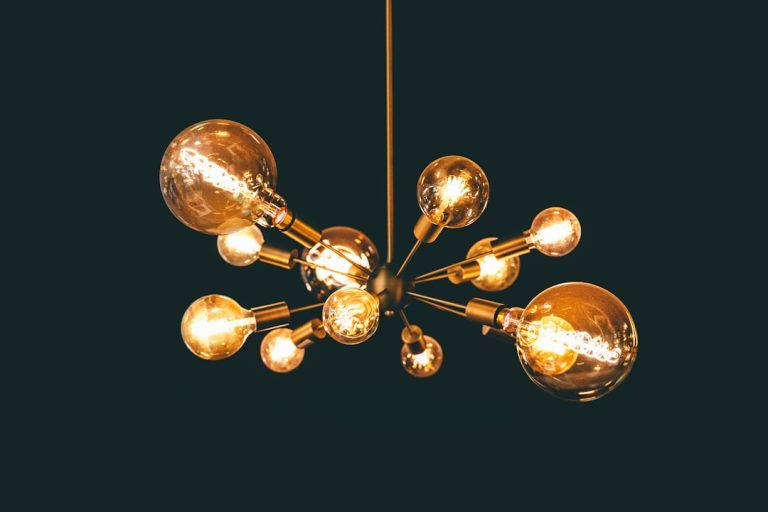
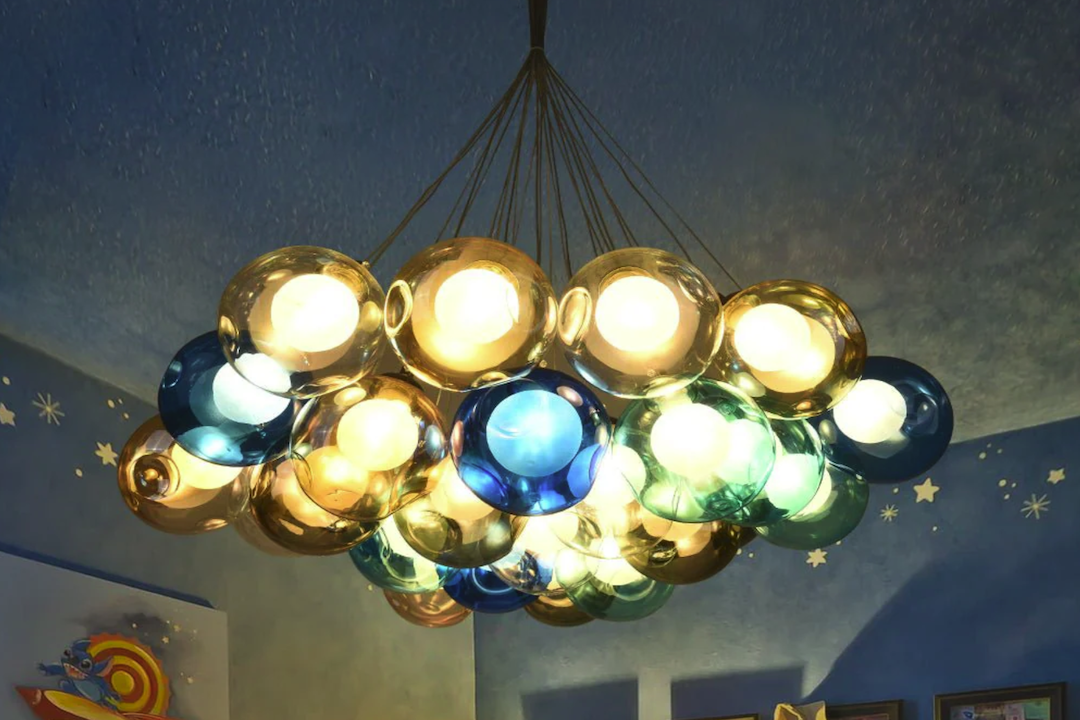
The prevalence of maximalist design in interior decoration has seen a resurgence, with particular attention paid to statement lighting fixtures. Among these, maximalist glass orb chandeliers Kensulighting have emerged as a notable category. These pieces are characterized by their abundant use of glass orbs, often of varying sizes and arrangements, and their capacity to introduce color and visual dynamism into a space. They move beyond the simple function of illumination to become central decorative elements.
The chandelier, as a lighting fixture, has a history deeply intertwined with architectural and societal developments. From its rudimentary beginnings as a practical illumination device, it has transformed into an object of both function and elaborate design. The maximalist glass orb chandelier represents a contemporary interpretation of this lineage, emphasizing scale, material, and visual impact.
Early Illumination Devices
The earliest forms of chandeliers were functional, designed to hold candles or oil lamps for lighting large rooms. These were often constructed from wrought iron or wood, prioritizing utility over aesthetic embellishment. Their primary purpose was to provide a concentrated source of light in otherwise dimly lit interiors.
The Emergence of Decorative Forms
As glassmaking techniques advanced, particularly during the Renaissance, chandeliers began to incorporate decorative elements. Murano glass from Venice became renowned for its intricate designs and vibrant colors. These early decorative chandeliers, while perhaps not as voluminous as their modern maximalist counterparts, laid the groundwork for the chandelier as an art object. They were symbols of wealth and status, often adorning palatial residences and significant public buildings.
The Influence of Art Nouveau and Art Deco
The late 19th and early 20th centuries witnessed further stylistic evolution. Art Nouveau chandeliers often featured flowing, organic lines, incorporating natural motifs and stained glass. Art Deco chandeliers, conversely, embraced geometric patterns, symmetry, and the use of opulent materials like chrome, crystal, and polished metals, frequently in bold, dramatic forms. These periods demonstrated a willingness to experiment with scale and material, paving the way for more daring designs.
The Modern Embrace of Maximalism
The current trend towards maximalism in interiors signifies a departure from minimalist aesthetics. It encourages the layering of textures, colors, and patterns, and a preference for bold, impactful objects. Maximalist glass orb chandeliers fit perfectly within this ethos, providing a concentrated point of visual interest and color that can anchor a room. They are not merely sources of light but are intended to be focal points that define the character of a space.
The Anatomy of a Maximalist Glass Orb Chandelier
Understanding the components and design principles of these fixtures is crucial to appreciating their impact. The term “maximalist” implies an abundance of elements, and in the context of these chandeliers, this translates to the quantity and arrangement of glass orbs.
The Role of Glass Orbs
The glass orbs are the fundamental building blocks of these chandeliers. They vary significantly in:
- Size: Orbs can range from small, delicate spheres to large, commanding globes, often used in combination to create depth and visual hierarchy. This variation in scale can mimic the natural scattering of light, much like dewdrops on a spiderweb.
- Color: This is a defining characteristic. Instead of clear or monochromatic glass, maximalist chandeliers embrace a spectrum of hues. These can be solid colors, gradient fades, or even iridescent finishes that shift in appearance with the light. The color palette can be monochromatic, intentionally discordant, or harmoniously blended, acting as a visual conductor for the room’s atmosphere.
- Texture and Finish: While many orbs are smooth, others might feature textured surfaces, such as frosted, rippled, or hand-blown imperfections. These variations in texture catch and refract light differently, adding further complexity to the visual display.
- Material: While glass is the primary material, different types of glass are used. This includes blown glass, molded glass, and sometimes more exotic materials that mimic glass. The quality and thickness of the glass impact the way light is diffused and the overall perceived weight and presence of the fixture.
Frame and Structure
The armature that holds these orbs is a critical component. It needs to be robust enough to support the weight of numerous glass elements while also contributing to the overall aesthetic.
- Materials: Common materials for the frame include brass, bronze, iron, and steel. The finish of the metal – whether polished, aged, or painted – further complements the glass orbs. A brushed brass frame might offer a warm counterpoint to colored glass, while a matte black frame can make colorful orbs appear to float in space.
- Design: The frame’s design can be minimalist, relying on simple arms and connections, or it can be ornate, incorporating decorative scrollwork or geometric patterns. In many maximalist designs, the frame is intentionally understated to allow the glass orbs to dominate. However, in some instances, the frame itself becomes a sculptural element.
- Suspension: The method of suspension – whether a chain, rod, or flush mount – also influences the chandelier’s overall visual impact and how it integrates with the ceiling and the surrounding architecture.
Light Source Integration
The placement and type of light sources are integral to the chandelier’s performance.
- Bulb Type: Traditionally, chandeliers used incandescent bulbs. Modern designs often incorporate LED technology, offering energy efficiency and a wider range of color temperature options. The shape and visibility of the bulbs can also be a design consideration, with some designs intended to be visible and others concealed.
- Light Diffusion: The glass orbs themselves act as diffusers, softening the direct light from the bulbs and spreading it throughout the room. The density and color of the glass determine the quality of this diffusion, ranging from a soft glow to sharp, prismatic effects.
- Placement: The bulbs are strategically positioned within or around the glass orbs to achieve specific lighting effects. They might be placed centrally within larger orbs, at the tips of arms, or strategically hidden to create a halo effect.
The Expressive Palette: Color in Maximalist Glass Orb Chandeliers
Color is not merely an accent in these chandeliers; it is a fundamental design element. The intentional use of hue elevates these fixtures from functional objects to potent visual statements.
Monochromatic Mastery
While the term “maximalist” might suggest a riot of color, monochromatic schemes are a sophisticated application of this aesthetic.
- Variations within a Hue: A chandelier composed entirely of blue orbs, for instance, can employ different shades, from deep sapphire to vibrant cerulean, and varying transparencies. This creates a nuanced and rich visual experience, like layers of twilight.
- Textural Contrast: The emphasis shifts to the interplay of textures and finishes within a single color family. Frosted blue orbs might sit alongside smooth, glossy blue ones, creating depth and visual interest through subtle variations.
- Mood and Atmosphere: Monochromatic palettes can evoke specific moods. Deep greens can create a sense of natural tranquility, while rich reds can introduce warmth and energy.
Harmonious Blends
These designs utilize color combinations that are pleasing to the eye and create a cohesive aesthetic.
- Analogous Color Schemes: Combining colors that are adjacent on the color wheel (e.g., blues and greens, or oranges and yellows) can create a sense of flow and harmony. This is akin to a watercolor painting where colors blend seamlessly.
- Complementary Accents: Introducing contrasting colors in smaller doses can add vibrancy without overwhelming the senses. For example, a primarily blue chandelier might feature amethyst or emerald accents.
- Ombré and Gradient Effects: Orbs that transition from one color to another, or a collection of orbs displayed in a gradient sequence, offer a fluid and dynamic visual narrative.
Bold and Dissonant Combinations
For a truly maximalist statement, designers might employ color pairings that are intentionally striking and unexpected.
- High Contrast Pairings: Combining colors that are opposite on the color wheel (e.g., orange and blue, or yellow and purple) creates a powerful visual tension. This approach can make the chandelier a definitive focal point, demanding attention.
- Juxtaposition of Vibrant Hues: A chandelier featuring a medley of bold, saturated colors – a veritable rainbow – is a direct expression of maximalist exuberance. This can be akin to a kaleidoscope, constantly offering new visual discoveries.
- Iridescent and Metallic Finishes: The inclusion of orbs with iridescent or metallic finishes introduces a dynamic element, as their color appears to shift and change depending on the viewing angle and light source. This adds an almost ethereal quality.
Placement and Integration: A Chandelier as an Architectural Feature
The successful integration of a maximalist glass orb chandelier requires careful consideration of its placement within the spatial context of a room. It is not merely hung from a ceiling; it becomes an integral part of the room’s architecture.
Defining Spaces
In open-plan living areas, these chandeliers can act as visual anchors, defining distinct zones without the need for physical barriers.
- Above Dining Tables: A common placement, the chandelier above a dining table creates a focal point for meals and gatherings, imbuing the act of dining with elegance and visual richness. The colorful orbs can inspire conversation and set a convivial mood.
- In Entryways and Foyer Areas: A commanding chandelier in a foyer makes a strong first impression, establishing the home’s aesthetic character from the moment one enters. It acts as a welcoming overture.
- Over Seating Areas: Suspended above a sofa or conversation pit, a chandelier can create an intimate and visually engaging atmosphere for relaxation and social interaction.
Enhancing Architectural Elements
The chandelier can be used to complement or contrast existing architectural features.
- Balancing High Ceilings: In rooms with soaring ceilings, a large, multi-tiered maximalist chandelier can fill the vertical space, preventing the room from feeling cavernous or empty. It provides a sense of gravity and presence.
- Adding Warmth to Minimalist Spaces: Paradoxically, a colorful glass orb chandelier can be placed in a predominantly neutral or minimalist room as a deliberate counterpoint. It injects personality and warmth, serving as a controlled explosion of color within a serene backdrop.
- Complementing Existing Decor: The color and style of the chandelier can be chosen to echo or contrast with other decorative elements in the room, such as artwork, upholstery, or rugs, creating a cohesive yet dynamic interior design.
Scale and Proportion
The size of the chandelier relative to the room and its furnishings is paramount.
- Avoiding Overwhelm: While maximalist implies abundance, the chandelier should not so dominate the space that it feels oppressive. The key is balance; the chandelier is a statement piece, not a disruptive force.
- Creating Visual Interest: The chandelier should be scaled appropriately to draw the eye and create visual interest without becoming visually fatiguing. A chandelier that is too small can appear insignificant, while one that is too large can overwhelm.
- The Rule of Thumb: A general guideline suggests that the diameter of a chandelier should be approximately half the width of the room. However, for maximalist designs, this guideline can be flexed, with the intention often being to create a more substantial presence.
Lighting Qualities and Ambiance
Beyond their aesthetic appeal, maximalist glass orb chandeliers significantly influence the quality of light and the overall ambiance of a space. The interplay of glass, color, and illumination creates diverse lighting scenarios.
Diffused and Ambient Light
The primary function of many of these chandeliers is to provide soft, diffused light that fills the room.
- Softening Light: The glass orbs act as natural diffusers, breaking up direct light and creating a gentler, more even illumination. This is akin to the way clouds filter sunlight, creating a softer glow.
- Creating a Welcoming Atmosphere: This diffused light contributes to a warm and inviting ambiance, making the space feel comfortable and conducive to relaxation.
- Color Rendering: The color of the glass influences how ambient light is perceived. A chandelier with warm-toned orbs can cast a reddish or yellowish hue, while cooler-toned orbs might lend a bluer tint.
Accent and Task Lighting
Depending on the design and the orientation of the bulbs, some chandeliers can also provide accent or task lighting.
- Highlighting Features: Strategically placed bulbs might direct light onto specific architectural features or decorative objects, drawing attention to them.
- Illuminating Surfaces: In some designs, the light is directed downwards, providing sufficient illumination for tasks like reading or dining. However, this is often a secondary consideration to the overall atmospheric effect.
- Creating Shadows and Depth: The unique shapes and arrangements of the orbs can cast interesting shadows, adding depth and visual complexity to the room, particularly when illuminated from within.
The Impact of Color on Mood
The choice of colors in the glass orbs has a profound psychological impact on the mood and perception of a space.
- Energizing and Vibrant: Bold, saturated colors like reds, oranges, and yellows can create a sense of energy, excitement, and warmth, making a space feel lively and stimulating.
- Calming and Serene: Cooler colors such as blues, greens, and purples can induce a sense of calm, tranquility, and sophistication.
- Playful and Whimsical: A multi-colored chandelier can evoke a sense of playfulness and creativity, making a room feel more eclectic and expressive. It’s like surrounding oneself with captured rainbows.
Considerations for Selection and Maintenance
Choosing and maintaining a maximalist glass orb chandelier involves practical considerations that ensure both aesthetic satisfaction and longevity. The sheer presence of these fixtures necessitates a thoughtful approach.
Material Quality and Craftsmanship
The durability and visual appeal of the chandelier are directly linked to the quality of its construction.
- Glass Integrity: Look for glass that is free from significant imperfections, deep scratches, or air bubbles that detract from its clarity or color. The thickness of the glass can also indicate its robustness.
- Frame Stability: The metal frame should be sturdy and well-constructed, with secure fastenings. Any wobbling or instability can be a sign of poor craftsmanship.
- Electrical Components: Ensure that the electrical components are up to current safety standards and are appropriately rated for the intended use.
Installation and Electrical Compatibility
Proper installation is crucial for safety and functionality.
- Professional Installation: Due to their weight and the need for secure mounting, professional installation is highly recommended for most maximalist chandeliers. An electrician can ensure the fixture is safely attached to the ceiling and correctly wired.
- Ceiling Load Capacity: It is essential to confirm that the ceiling is capable of supporting the weight of the chandelier, especially for larger or more intricate designs.
- Dimmer Switches: Pairing the chandelier with a dimmer switch offers greater control over the lighting intensity and ambiance, allowing for adjustment based on the time of day or the desired mood.
Cleaning and Maintenance
Maintaining the luster and vibrancy of glass orb chandeliers requires regular attention.
- Dusting: Regular dusting with a soft, dry microfiber cloth is the first line of defense against grime build-up.
- Washing: For more thorough cleaning, a mild glass cleaner can be used. It is often advisable to work in sections and to use a soft cloth to avoid scratching the glass. For chandeliers with numerous small orbs, carefully removing them for cleaning might be feasible, but this should only be done if the design allows and with extreme caution.
- Bulb Replacement: When replacing bulbs, ensure the chandelier is powered off at the switch and breaker. Accessing bulbs hidden within complex arrangements of orbs can sometimes be challenging, requiring patience and care.
- Frequency of Cleaning: The frequency of cleaning will depend on the environment. In dusty or smoky areas, more frequent cleaning will be necessary to preserve the chandelier’s brilliance.
The maximalist glass orb chandelier stands as a testament to the power of light, color, and form in interior design. It is a piece that demands attention, not through ostentation, but through its deliberate and artful assembly of elements. It offers a vibrant and dynamic way to illuminate a space, transforming it into a curated environment rich in personality and visual intrigue.
About the Author