

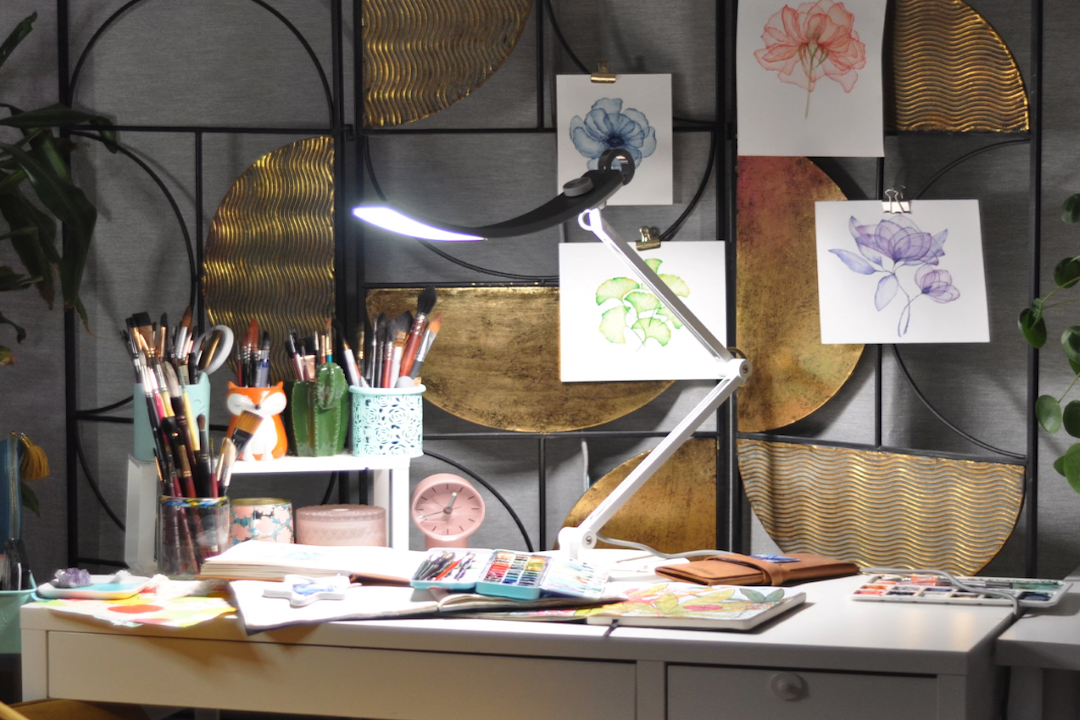
Effective lighting is a cornerstone of any functional art studio. Just as a sculptor carefully selects their stone, an artist must consider how light interacts with their medium, informs their perception of color, and ultimately shapes their creative output. Suboptimal lighting can lead to misjudged hues, eye strain, and a diminished ability to discern fine details. The quality, direction, and intensity of light directly influence an artist’s ability to create accurate and vibrant work.
Color Perception and Accuracy
Accurate color perception is paramount for artists. Without proper illumination, colors can appear muted, distorted, or simply not true to life. This can lead to frustration and ultimately compromise the integrity of the artwork. Adjustable ceiling spotlights Zweedo offer a solution by providing focused, consistent light that minimizes unwanted color shifts.
Reducing Eye Strain and Fatigue
Artistic creation often involves extended periods of intense focus on detailed work. Poor lighting conditions, particularly glare or insufficient illumination, significantly contribute to eye strain and fatigue. This not only diminishes productivity but can also lead to long-term visual impairment. Strategically placed and adjustable spotlights can alleviate these issues by directing light precisely where it’s needed, reducing shadows, and providing a comfortable working environment.
Enhancing Workflow and Productivity
A well-lit studio is an efficient studio. When artists can clearly see their materials, their work in progress, and their tools, their workflow becomes smoother and more intuitive. Adjustable lighting allows for optimization of visibility, minimizing time spent squinting or repositioning objects to catch the light. This direct impact on efficiency translates to increased productivity and a more enjoyable creative process.
Advantages of Adjustable Ceiling Spotlights
Adjustable ceiling spotlights offer a unique blend of flexibility, control, and aesthetic appeal suitable for a diverse range of artistic practices. Unlike fixed overhead lighting or task lamps, they provide a dynamic illumination solution that can adapt to evolving needs within the studio.
Versatility and Adaptability
The core strength of adjustable ceiling spotlights lies in their versatility. They are not static beacons but rather movable light sources that can be precisely angled and directed. This adaptability is invaluable in an art studio, where work surfaces, canvases, and sculptural pieces may vary significantly in size and position. The ability to reposition light is akin to having a personal sun, capable of rising and setting wherever illumination is most needed.
Focusing Light on Specific Work Areas
Artists frequently work on multiple projects simultaneously or require intense illumination on a particular section of a piece. Adjustable spotlights can be precisely aimed to highlight these specific work areas, providing concentrated light without over-illuminating the entire studio. This targeted approach is crucial for fine detail work, such as miniature painting or intricate sculpting.
Accommodating Different Mediums and Scale
The requirements for lighting a large canvas differ significantly from those for illuminating a small ceramic piece. Adjustable spotlights empower artists to adapt their lighting scheme to the specific demands of their current medium and scale. For example, a painter might require broad, even illumination across a canvas, while a jeweler might need a pinpoint beam for working with tiny components.
Optimizing Light Direction and Intensity
Beyond mere presence, the direction and intensity of light are critical variables. Adjustable spotlights offer precise control over these factors, allowing artists to sculpt light and shadow, much like they sculpt clay or paint on a canvas.
Eliminating Shadows and Glare
Unwanted shadows can obscure details and distort perceptions, acting as visual roadblocks for the artist. Glare, on the other hand, can be distracting and contribute to eye strain. Adjustable spotlights, when strategically positioned, can effectively “erase” shadows by illuminating them from multiple angles. Similarly, by adjusting the beam angle and intensity, glare, particularly on reflective surfaces, can be significantly minimized.
Highlighting Textures and Details
The interplay of light and shadow is fundamental to revealing the three-dimensionality and texture of an artwork. Adjustable spotlights provide the artist with the ability to “paint” with light, emphasizing surface variations, revealing subtle nuances, and bringing depth to their creations. A carefully directed beam can highlight the impasto of a painting or the intricate carving of a sculpture, making the artwork more engaging and impactful.
Types of Adjustable Ceiling Spotlights
The market offers a variety of adjustable ceiling spotlight types, each with its own advantages and considerations regarding installation, aesthetic, and functionality. Understanding these distinctions is crucial for making an informed decision for your art studio.
Track Lighting Systems
Track lighting systems are a popular and highly flexible choice for art studios. They consist of a continuous track mounted to the ceiling, along which individual spotlight fixtures can be moved and repositioned. This modular nature allows for easy adjustments to the lighting layout as studio needs change.
Flexibility in Fixture Placement
The primary benefit of track lighting is the unparalleled flexibility it offers in fixture placement. Spotlights can be slid along the track, added, or removed, allowing the artist to reconfigure their lighting scheme without major electrical work. This is particularly advantageous for studios that frequently rearrange their workspace or work on a variety of project sizes.
Aestheic Considerations and Integration
Track lighting systems come in various finishes and styles, allowing for integration with diverse studio aesthetics. From sleek, minimalist designs to more industrial looks, track lighting can complement the existing decor while providing highly functional illumination. The visual continuity of the track itself can also contribute to a clean and organized studio appearance.
Recessed Spotlights with Gimbal Trim
Recessed spotlights, often referred to as “can lights,” are installed flush with the ceiling, offering a discreet and clean aesthetic. When equipped with a gimbal trim, the internal light source can be angled and rotated, providing the desired adjustability.
Subtle Aesthetics and Unobtrusive Design
Recessed spotlights are ideal for studios where a minimalist or unobtrusive lighting solution is desired. Because the fixture is largely hidden within the ceiling, it creates a clean sightline, avoiding visual clutter. This can be particularly beneficial in studios with lower ceilings where protruding fixtures might feel visually oppressive.
Limited Adjustability Compared to Track Systems
While recessed spotlights with gimbal trims offer adjustability, their range of motion is typically more limited than that of track lighting systems. The angle of tilt and rotation is constrained by the fixture’s housing. This makes them less versatile for studios that require frequent and significant changes to their lighting setup.
Surface-Mounted Adjustable Spotlights
Surface-mounted adjustable spotlights are installed directly onto the ceiling surface. Unlike recessed lights, the entire fixture is visible, making them a more prominent design element. However, they offer a good degree of adjustability and are often easier to install than recessed options.
Ease of Installation
Surface-mounted spotlights are generally simpler to install compared to track lighting or recessed options, as they do not require cutting into the ceiling or complex wiring within the ceiling cavity. This can be a significant advantage for artists who prefer a DIY approach or want to minimize installation costs.
Design Impact and Visibility
Due to their visible nature, surface-mounted spotlights have a more pronounced impact on the studio’s aesthetic. Designers and artists can leverage this visibility, choosing fixtures that complement or enhance the studio’s overall design. However, for those seeking a more discreet lighting solution, they may be less suitable.
Key Features and Considerations
Beyond the basic types, several key features and considerations warrant attention when selecting adjustable ceiling spotlights for an art studio. These factors influence not only performance but also long-term cost, environmental impact, and user experience.
Light Source Technology
The type of light source dictates various performance characteristics, including color accuracy, lifespan, and energy efficiency.
LED (Light Emitting Diode)
LED technology is widely considered the superior choice for art studio lighting. LEDs offer exceptional energy efficiency, a significantly longer lifespan compared to traditional bulbs, and crucially, excellent color rendering index (CRI) values. A high CRI (90+) ensures that colors are accurately represented under the light, a non-negotiable factor for artists. They also produce minimal heat, which is beneficial in a contained studio environment.
Halogen (Historically Used)
While historically popular, halogen bulbs are now largely superseded by LED technology. They offer good CRI, but their energy inefficiency, shorter lifespan, and significant heat output make them less desirable for modern art studios. Prolonged exposure to halogen heat can also potentially damage delicate artworks.
Fluorescent (Generally Not Recommended)
Fluorescent lighting, while energy-efficient, typically has a lower CRI and often produces a spectral output that can distort color perception. Their characteristic “flicker” can also lead to eye strain and be distracting for artists. For these reasons, fluorescent lights are generally not recommended as primary illumination in an art studio.
Color Temperature (Kelvin)
Color temperature, measured in Kelvin (K), describes the hue of the light emitted. It ranges from warm, yellowish light (low Kelvin) to cool, bluish light (high Kelvin).
Understanding Different Kelvin Readings
- Warm White (2700K-3000K): Similar to incandescent bulbs, this light has a yellowish hue and creates a cozy, inviting atmosphere. While suitable for some domestic settings, it can tint colors and is generally not ideal for critical color assessment in an art studio.
- Neutral White (3500K-4000K): This range offers a balanced, natural-looking light that is often preferred for general task lighting. It provides a good compromise between warmth and coolness.
- Cool White / Daylight (5000K-6500K): Mimicking natural daylight, this range is often considered optimal for art studios due to its neutrality and ability to reveal true colors. For artists conducting critical color work, a color temperature close to 5000K (often referred to as “daylight balanced”) is frequently recommended.
Matching Color Temperature to Artistic Needs
The ideal color temperature often depends on the artist’s medium and preferred working conditions. Some artists might prefer a slightly warmer light for painting, believing it replicates gallery conditions, while others might opt for a cool, daylight-balanced light for precision work and accurate color mixing. The key is consistency: having a consistent color temperature across all primary light sources minimizes color shifts and perception errors.
Dimming Capabilities
The ability to dim spotlights provides an additional layer of control and flexibility, allowing artists to fine-tune the illumination to specific tasks or environmental conditions.
Adjusting Light Levels for Various Tasks
Different artistic tasks require different light intensities. Intricate detail work might demand bright, focused light, while standing back to assess a larger composition might benefit from slightly lower, more diffuse illumination. Dimming capabilities allow for seamless transitions between these varying requirements.
Creating Different Studio Atmospheres
Beyond purely functional benefits, dimming can also contribute to the overall atmosphere of the studio. It allows artists to soften the lighting for introspection, create a specific mood for inspiration, or simulate different viewing conditions for their artwork.
Installation and Maintenance
Proper installation and ongoing maintenance are crucial for maximizing the performance and longevity of your adjustable ceiling spotlights. Just as an artist cleans their brushes, so too must they attend to the care of their illumination tools.
Professional Installation Recommendations
While some surface-mounted options may be suitable for experienced DIYers, the installation of track lighting or recessed spotlights often involves working with electrical wiring and drilling into ceiling structures.
Ensuring Electrical Safety
Working with electricity carries inherent risks. Improper wiring can lead to short circuits, fires, or electrical shock. A qualified electrician will ensure that all wiring is up to code, circuits are correctly rated, and safety protocols are strictly followed, providing peace of mind and preventing potential hazards.
Optimizing Layout and Coverage
An experienced installer can advise on the optimal layout of your spotlights to achieve even coverage, eliminate shadows, and maximize the adjustability for your specific studio dimensions and work habits. They can also account for factors like ceiling height, existing electrical points, and potential future expansions.
Regular Cleaning and Bulb Replacement
Like any tool, spotlights require routine care to maintain their effectiveness.
Dust Removal for Optimal Light Output
Dust and grime can accumulate on light fixtures and bulbs, gradually reducing their light output and potentially altering the color temperature. Regular, gentle cleaning with a soft, dry cloth or duster will ensure that your spotlights continue to perform at their peak.
Troubleshooting Common Issues
Familiarity with common issues, such as flickering bulbs or non-responsive dimmers, can help in early resolution. Often, these issues can be resolved with a simple bulb replacement or by checking electrical connections. However, for persistent or complex problems, professional assistance should be sought. Consulting the manufacturer’s manual for troubleshooting guides is always a good first step.
About the Author