Victorian design emerged during Queen Victoria’s reign from 1837 to 1901, representing a period of significant artistic and architectural development that coincided with Britain’s industrial expansion and economic prosperity. This design movement incorporated elaborate ornamentation, saturated color schemes, and an eclectic approach that drew from multiple historical styles including Gothic Revival, Rococo, and Neoclassical elements. The style emphasized detailed craftsmanship and luxurious materials as symbols of social status and cultural refinement.
Victorian interior design principles extended throughout the domestic sphere, transforming homes into elaborate showcases of decorative arts and furnishings. During this era, the bathroom evolved from a purely functional space into a room designed for comfort and personal hygiene, reflecting broader changes in domestic architecture and plumbing technology. Victorian bathrooms typically featured ornate fixtures, patterned tiles, and rich materials that aligned with the period’s emphasis on decorative abundance.
Modern interpretations of Victorian bathroom design adapt these historical elements through contemporary materials and updated functionality while maintaining the style’s characteristic attention to ornamental detail and visual richness.
History of Victorian Style in Home Decor
The Victorian era was a time of significant change in Britain, marked by the Industrial Revolution, which brought about new materials and technologies that influenced home decor. The rise of the middle class during this period led to an increased demand for stylish yet affordable furnishings. As a result, manufacturers began producing mass-market items that were accessible to a broader audience while still maintaining an air of sophistication.
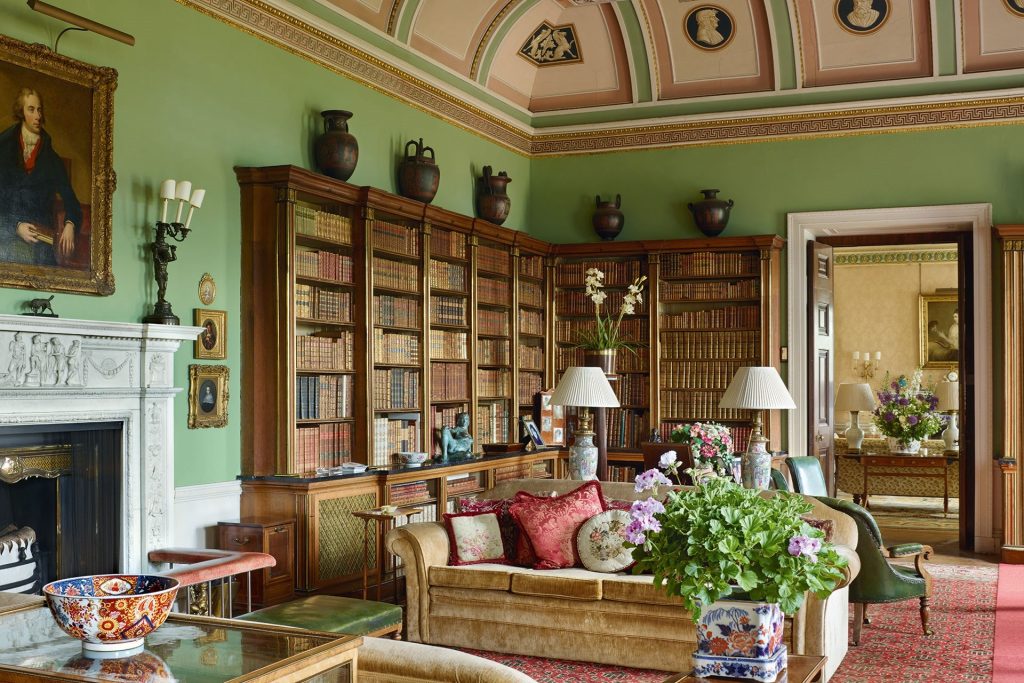
This democratization of design allowed for the proliferation of Victorian style across various social strata. Victorian decor is characterized by its eclecticism, drawing inspiration from various historical periods and cultures. The Gothic Revival movement, for instance, emphasized pointed arches, intricate woodwork, and stained glass, while the Rococo influence introduced softer lines and ornate detailing.
This fusion of styles created an environment rich in texture and visual interest. In addition to architectural elements, Victorian homes were often adorned with heavy draperies, plush upholstery, and an array of decorative accessories such as porcelain figurines and intricate wallpaper patterns. Each element was carefully selected to create a cohesive narrative that spoke to the homeowner’s taste and social standing.
Importance of Lighting in Bathroom Design
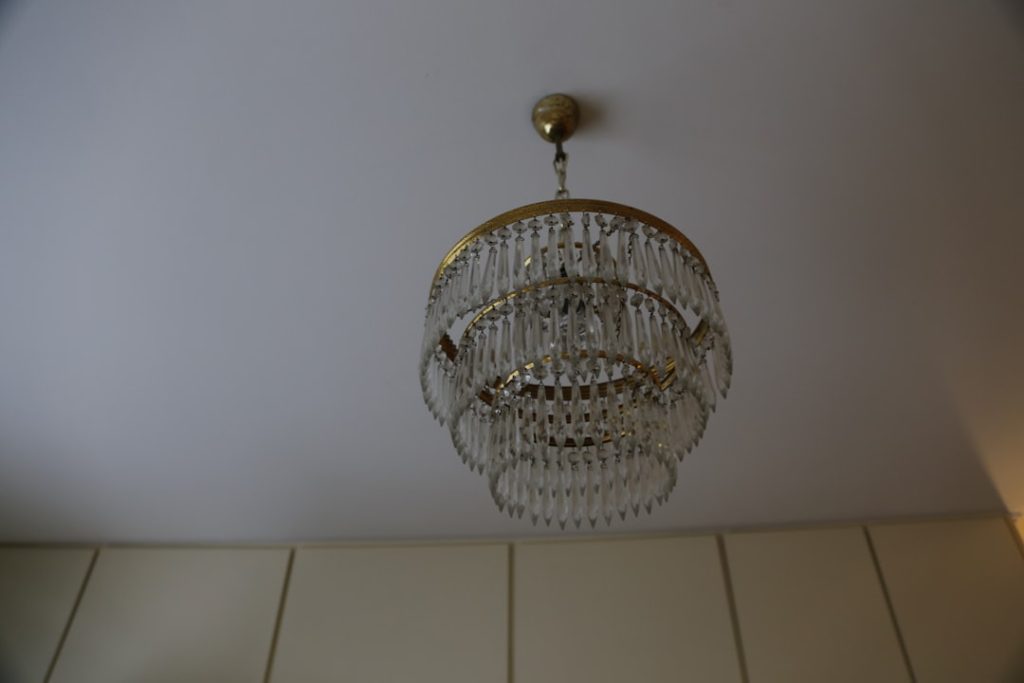
Lighting plays a crucial role in bathroom design, influencing both functionality and ambiance. In the Victorian era, lighting was not merely a practical necessity; it was also an essential component of the overall decor. Gas lamps and later electric fixtures were designed with an emphasis on aesthetics, often featuring elaborate designs that complemented the opulent surroundings.
The interplay of light and shadow created by these fixtures added depth to the space, enhancing the intricate details of the decor. In modern bathrooms, effective lighting is vital for various tasks such as grooming, bathing, and relaxation. A well-lit bathroom can significantly enhance the user experience, making it easier to perform daily routines while also creating a soothing atmosphere for unwinding at the end of the day.
Incorporating layered lighting—combining ambient, task, and accent lighting—can help achieve this balance. For instance, wall sconces can provide soft illumination around mirrors for grooming tasks, while overhead fixtures can create an inviting glow throughout the space. The thoughtful integration of lighting not only enhances functionality but also elevates the overall aesthetic appeal of the bathroom.
Features and Design of the Victorian Elegance Bathroom Wall Lamp
The Victorian elegance bathroom wall lamp is a quintessential element that embodies the style’s characteristic opulence and attention to detail. These fixtures often feature intricate designs that reflect the craftsmanship of the era, with materials such as brass or wrought iron being commonly used for their durability and aesthetic appeal. The lamps are typically adorned with decorative elements such as filigree patterns or floral motifs that evoke the natural beauty celebrated during the Victorian period.
One notable feature of these wall lamps is their use of glass shades, which can range from frosted to colored or even stained glass. These shades not only diffuse light beautifully but also add an artistic touch to the fixture. The warm glow emitted by these lamps creates an inviting atmosphere in the bathroom while highlighting other design elements such as vintage mirrors or ornate cabinetry.
Additionally, many Victorian-style wall lamps are designed to be adjustable or feature dimming capabilities, allowing homeowners to customize the lighting according to their needs and preferences.
How to Incorporate Victorian Elegance in Modern Bathrooms
Incorporating Victorian elegance into modern bathrooms requires a delicate balance between historical charm and contemporary functionality. One effective approach is to select key elements that reflect the Victorian aesthetic while ensuring they complement modern conveniences. For instance, opting for clawfoot bathtubs or pedestal sinks can serve as focal points that evoke a sense of nostalgia while providing modern comfort.
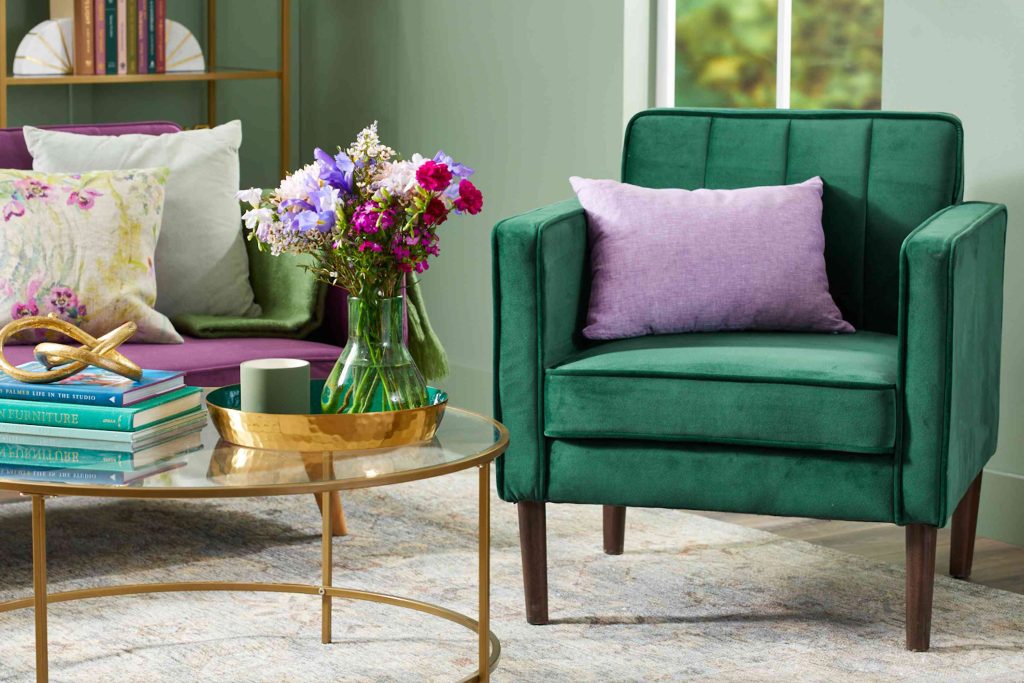
Color schemes play a significant role in achieving a Victorian-inspired look. Rich jewel tones such as deep greens, burgundies, or royal blues can be used on walls or accents to create a dramatic backdrop. Pairing these colors with white or cream fixtures can help maintain a sense of brightness and openness in the space.
Additionally, incorporating vintage-inspired tiles or wallpaper with intricate patterns can further enhance the Victorian feel without overwhelming the modern sensibility. Another way to infuse Victorian elegance into contemporary bathrooms is through decorative accessories. Antique mirrors with ornate frames can serve as statement pieces above sinks or vanities, while vintage-style faucets and hardware can add authenticity to the design.
Textiles such as lace curtains or plush towels in rich fabrics can also contribute to the overall ambiance, creating a cohesive look that marries past and present seamlessly.
Tips for Choosing the Right Lighting for Your Bathroom
Selecting the right lighting for your bathroom is essential for both functionality and aesthetics. When considering fixtures like wall lamps or overhead lights, it’s important to assess the size and layout of your space. Larger bathrooms may benefit from multiple light sources to ensure even illumination throughout, while smaller spaces might require more focused lighting solutions to avoid overwhelming the area.
One key consideration is the color temperature of the bulbs used in your fixtures. Warmer tones (around 2700K) create a cozy atmosphere that is ideal for relaxation, while cooler tones (around 4000K) are better suited for task-oriented areas like grooming stations. Additionally, dimmable options can provide versatility, allowing you to adjust brightness levels based on your needs at different times of day.
When choosing wall lamps specifically designed in Victorian style, pay attention to their placement relative to mirrors and other key areas where light is needed most. Ideally, sconces should be positioned at eye level on either side of mirrors to minimize shadows during grooming tasks. Furthermore, consider incorporating accent lighting to highlight architectural features or decorative elements within your bathroom design.
Maintenance and Care of Victorian Elegance Bathroom Wall Lamp
Maintaining Victorian elegance bathroom wall lamps requires attention to detail to preserve their beauty and functionality over time. Regular cleaning is essential to prevent dust buildup that can dull their shine and affect light output. For metal fixtures like brass or wrought iron, using a soft cloth with mild soap and water can help remove grime without scratching the surface.
It’s advisable to avoid harsh chemicals that could damage finishes or patinas. In addition to cleaning, periodic inspections are necessary to ensure that electrical components are functioning correctly. Checking for loose connections or frayed wires can prevent potential hazards and ensure optimal performance.
If any issues arise with the lamp’s wiring or electrical components, consulting a qualified electrician is recommended rather than attempting repairs independently. For glass shades, gentle cleaning with glass cleaner or vinegar can restore clarity without leaving streaks behind. If shades become chipped or cracked over time, replacing them promptly is crucial not only for aesthetic reasons but also for safety concerns regarding light diffusion.
Bringing Timeless Elegance to Your Bathroom
Incorporating Victorian elegance into bathroom design offers an opportunity to create a space that transcends time while providing comfort and functionality. By understanding the historical context of this style and thoughtfully selecting elements such as lighting fixtures, color schemes, and accessories, homeowners can achieve a harmonious blend of old-world charm and modern convenience. The careful integration of features like Victorian wall lamps not only enhances illumination but also serves as artistic focal points that elevate the overall aesthetic.
As we navigate through contemporary design trends that often prioritize minimalism and simplicity, embracing Victorian elegance allows us to celebrate craftsmanship and artistry in our living spaces. By investing in quality materials and timeless designs, we can create bathrooms that are not only functional but also serve as personal retreats infused with character and history. Ultimately, bringing Victorian elegance into our bathrooms is about more than just decor; it’s about creating an environment that reflects our values and appreciation for beauty in everyday life.