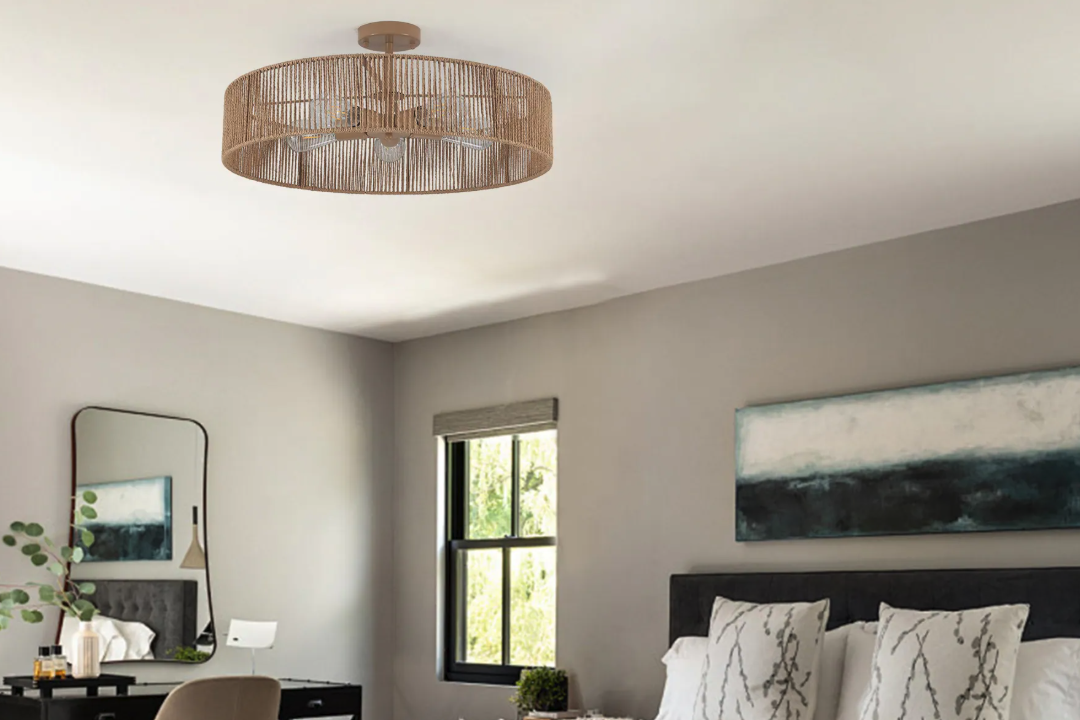
Thinking about how to give your master bedroom a little glow-up? A tapered shade semi-flush light might be exactly what you need. It’s a great way to add style and good light without taking up too much space, making your room feel more put-together and cozy.
Why a Tapered Shade Semi-Flush Light for Your Master Bedroom?
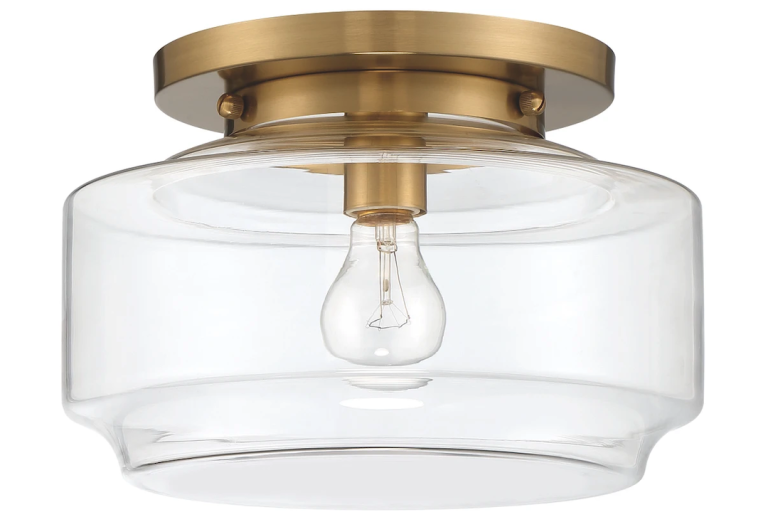
This type of light fixture Yohadesign is a smart choice for master bedrooms because it offers a good balance of aesthetics and functionality. Unlike a pendant that hangs low, a semi-flush mount sits closer to the ceiling, which is perfect for rooms that don’t have super high ceilings or where you want to avoid bumping your head. The tapered shade itself is key – it’s not just about looking good; it directs light downwards and outwards in a pleasing way, creating a softer, more diffused glow that’s ideal for a relaxing bedroom environment. It’s a subtle yet significant upgrade that can really transform the feel of your sanctuary.
Lighting for Relaxation: The Semi-Flush Advantage
The primary goal in a master bedroom is often to create a serene and inviting atmosphere. Harsh, direct lighting can be counterproductive to this. A semi-flush mount, especially with a tapered shade, is designed to mitigate this. It brings the light source down just enough to be effective but still allows it to spread gently across the room. This is in contrast to a flush mount, which can sometimes feel a bit too close to the ceiling and cast shadows, or a pendant, which might be too dramatic or intrusive for a bedroom. The semi-flush design provides a good compromise, offering ample light for activities without compromising the sense of peace.
The “semi-flush” aspect means the fixture attaches directly to the ceiling but has a small gap between the ceiling and the top of the fixture, allowing for a bit of upward light spill. This upward light can help make a room feel taller and more open, which is a nice bonus. The tapered shade then plays a crucial role in how this light is distributed.
The Beauty of the Tapered Shade: Function Meets Form
The shape of the shade is where a lot of the magic happens. A tapered shade, wider at the bottom and narrower at the top, has a few distinct advantages for bedroom lighting.
Softening the Glow
One of the main benefits is its ability to soften light. As light emanates from the bulb, it hits the wider bottom of the shade and then fans out. This shape naturally diffuses the light, making it less harsh and more spread out. Think of it like looking at a candle through a lampshade – the shade smooths out the direct glare and creates a more ambient, comfortable illumination. This is exactly what you want when you’re winding down, reading, or just enjoying the space.
Directing Light Where You Need It
While it diffuses light, a tapered shade also does a decent job of directing it downwards. This is important for tasks like getting dressed, applying makeup, or reading in bed. You get enough light where you need it without it feeling like a spotlight. The angle of the taper is often designed to create a pleasant spread, illuminating the area around the fixture without creating stark contrasts.
Aesthetic Appeal
Beyond its functional benefits, the tapered shade adds a touch of classic elegance to your bedroom. It’s a timeless shape that works with a wide range of decor styles, from modern and minimalist to more traditional or transitional. It offers a sense of visual balance and sophistication without being overly fussy.
Choosing the Right Size and Style for Your Master Bedroom
When you’re looking at tapered shade semi-flush lights, size and style are critical to ensure it complements your bedroom, rather than overwhelming it. It’s not just about picking something that looks nice; it’s about finding something that fits the scale of your room and your personal taste.
Scale Matters: Finding the Perfect Fit
The size of the light fixture should be in proportion to your room. A massive fixture in a small bedroom will feel clunky, while a tiny one in a large room will look lost.
Room Dimensions and Fixture Size
A general guideline for semi-flush lights is to consider the width and length of your room. Add those two measurements together, and the result in inches should be roughly the maximum diameter of your light fixture in inches. For example, if your room is 12 feet by 15 feet (144 inches by 180 inches), adding them gives you 324 inches. So, a fixture around 20-25 inches in diameter might be a good starting point. For master bedrooms, you typically want a fixture that feels substantial but not overpowering.
Ceiling Height Considerations
While semi-flush lights are generally good for standard ceilings (8-10 feet), the height of your ceiling will influence how low the fixture hangs and how the light is distributed. If your ceilings are on the lower side, you’ll want a fixture that sits a bit closer to the ceiling. If they’re higher, you have a bit more flexibility. The overall height of the fixture, including the shade, is also important. You don’t want it hanging so low that it interferes with walking or activities in the room.
Material and Finish: Setting the Tone
The materials and finishes of the fixture will significantly impact the overall aesthetic of your master bedroom. They can either blend seamlessly with your decor or act as a statement piece.
Metal Finishes: From Warm to Cool
The metal finish is often the most prominent visual element.
- Brushed Nickel/Chrome: These cool-toned metals offer a modern, clean look. They work well in contemporary, transitional, and even some minimalist designs. They are also very versatile and don’t clash easily with other décor elements.
- Oil-Rubbed Bronze/Black: These darker finishes provide a sense of warmth and grounding. They are excellent for traditional, farmhouse, or industrial styles, and can add a touch of drama to a more modern space. They tend to blend well with darker wood tones.
- Brass/Gold Tones: Warm metallics like brass and gold can add a touch of luxury and vintage charm. They are fantastic for adding a pop of richness to a variety of styles, from Art Deco to bohemian and eclectic. Consider whether you want a polished or brushed finish, as this will affect the sheen.
Shade Materials: Fabric, Glass, or Beyond
The material of the tapered shade itself plays a huge role in light diffusion and style.
- Fabric Shades: These are classic for a reason. Linen, cotton, or silk shades offer the softest, most diffused light. They create a warm, inviting ambiance. The texture of the fabric can also add another layer of visual interest. Look for neutral tones like ivory, beige, or cream for maximum versatility.
- Frosted or Opal Glass Shades: These provide a smooth, even light that’s less diffused than fabric but still softer than clear glass. They offer a clean and contemporary look and are often easier to clean than fabric. Opal glass tends to be opaque white, while frosted glass has a more textured, milky appearance.
- Alabaster or Marble: For a truly luxurious feel, some higher-end fixtures incorporate natural stone shades. These cast a beautiful, ethereal glow and are definitely a statement piece.
Style Integration: Matching Your Bedroom’s Vibe
Think about the overall style of your master bedroom.
Modern and Minimalist
For a sleek, modern bedroom, opt for fixtures with clean lines, geometric shapes, and perhaps a metal finish like brushed nickel or matte black. The shade might be a simple frosted glass or a clean white fabric. Avoid ornate details.
Traditional and Classic
In a more traditional setting, you might lean towards oil-rubbed bronze or brass finishes with fabric shades, perhaps in a subtly textured material. Look for fixtures with a bit more detailing or a more classic silhouette.
Transitional and Eclectic
This is where you have the most freedom. A tapered shade semi-flush light can bridge different styles. A metal finish like brushed gold with a simple linen shade could work well, or a matte black fixture with a slightly more artistic shade. Consider how the fixture will complement your existing furniture and color palette.
Installation Considerations: Getting it Right
While many people opt for professional installation, understanding the basics of putting up a semi-flush light fixture can be helpful. It’s not the most complicated DIY project, but safety and proper technique are key.
DIY vs. Professional Installation
This decision often comes down to your comfort level with electrical work and the complexity of the fixture.
When to Call a Pro
If you’re not comfortable working with electrical wiring, or if the existing wiring in your ceiling seems old or suspect, it’s always best to hire a licensed electrician. They can ensure the fixture is installed safely and correctly, and can also advise if any upgrades to your wiring are needed. This is especially important if you’re replacing an older fixture that might have different wiring standards.
DIY Steps (with Caution)
If you’re confident in your DIY skills, here’s a general overview. Always turn off the power to the circuit at the breaker box before you begin.
- Turn off Power: Locate your home’s electrical panel and flip the breaker that controls the light fixture you’re replacing. Double-check by trying to turn on the old light – if it doesn’t work, the power is off.
- Remove Old Fixture: Unscrew the canopy of the old fixture. You’ll see the wiring connections. Disconnect these wires (usually by unscrewing wire nuts). Then, detach the fixture from the mounting bracket.
- Install Mounting Bracket: The new fixture will come with its own mounting bracket. Attach this to the electrical box in your ceiling. Make sure it’s securely fastened.
- Connect Wires: Follow the instructions for your new fixture. Typically, you’ll connect the black wire from the ceiling to the black wire of the fixture, the white wire to white, and the ground wire (usually bare copper or green) to the ground. Use wire nuts to secure these connections.
- Attach Fixture Canopy: Gently tuck the wires back into the electrical box and screw the canopy of the new fixture to the mounting bracket.
- Install Bulb and Shade: Screw in the appropriate light bulb (check the fixture’s wattage limit!) and then attach the tapered shade according to the manufacturer’s instructions.
- Restore Power: Turn the breaker back on and test your new light.
Bulb Choice: The Final Touch
The type of bulb you choose will significantly impact the light quality and energy efficiency.
LED vs. Incandescent
LED bulbs are the clear winner for energy efficiency, longevity, and a wide range of color temperatures.
- Color Temperature (Kelvin): For a master bedroom, you’ll want a warm, inviting light. Look for bulbs with a color temperature between 2700K and 3000K. This mimics the warm glow of traditional incandescent bulbs and is ideal for relaxation.
- Wattage and Lumens: Wattage indicates energy consumption, while lumens indicate brightness. You don’t need extremely high lumens in a bedroom; aim for a brightness that suits your needs. A typical bedroom might need around 800-1500 lumens for general illumination, but this can vary based on room size and personal preference. Many LED bulbs are designed to be direct replacements for incandescent bulbs of a certain wattage, making it easy to choose.
Dimmable Options
Consider using dimmable bulbs and a compatible dimmer switch. This gives you ultimate control over the ambiance of your master bedroom. You can have bright light for tasks and then dim it down for a cozy evening or to create a romantic mood.
Beyond the Basics: Elevating Your Master Bedroom Lighting
Once you’ve got your tapered shade semi-flush light sorted, think about how it fits into the broader lighting scheme of your master bedroom. A single light source is rarely enough to create a truly functional and inviting space.
Layering Light: The Key to Ambiance
Effective bedroom lighting isn’t just about one central fixture. It’s about creating layers of light that serve different purposes.
Task Lighting
Your semi-flush light might provide general ambient light, but you’ll likely need task lighting for specific activities.
- Bedside Lamps: These are essential for reading in bed. Choose lamps that complement your semi-flush fixture in style and finish. Consider adjustable arms for better positioning.
- Vanity Lighting: If you have a vanity area, consider dedicated lighting there to avoid shadows when applying makeup. This could be a sconce or even a well-placed table lamp.
Accent Lighting
Accent lighting can highlight specific features in your bedroom, adding depth and visual interest.
- Picture Lights: If you have artwork you want to showcase, a small picture light can draw attention to it.
- Uplighting: Sometimes, a small, discreet uplight placed behind a plant or a piece of furniture can create a dramatic shadow play on the wall, adding a sophisticated touch.
Smart Home Integration
If you’re looking to make your bedroom even more convenient and sophisticated, consider smart home technology.
Smart Bulbs and Switches
Many LED bulbs are now “smart,” allowing you to control them via a smartphone app or voice commands. You can adjust brightness, color temperature, and even set schedules. Smart dimmer switches offer similar control if you prefer to keep your existing bulbs.
Scene Setting
With smart lighting, you can create custom “scenes” for different moods. Imagine a “Relax” scene that dims the lights to a warm glow, or a “Morning” scene that slowly brightens the room to gently wake you.
The Tapered Shade as a Statement Piece
Don’t underestimate the power of your chosen fixture to be more than just functional.
Unique Designs and Materials
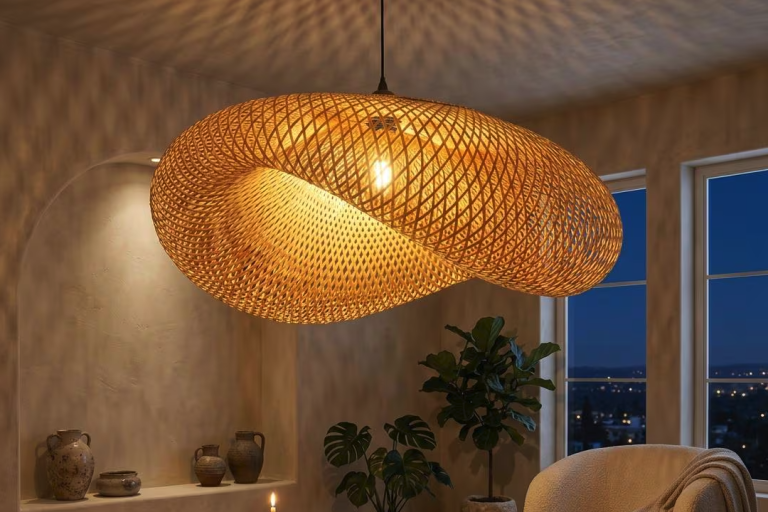
While classic tapered shades are readily available, you can also find more unique options. Think about fixtures with intricately carved details, unusual metal finishes, or even shades made from natural materials like woven rattan or textured glass. These can add a significant personality to your room.
Customization Options
Some manufacturers offer customization, allowing you to choose different shade materials or metal finishes for the same fixture. This can be a great way to get exactly the look you want and ensure it perfectly matches your existing decor.
By thoughtfully selecting and integrating a tapered shade semi-flush light, you can significantly enhance the comfort, style, and functionality of your master bedroom, creating a truly personal retreat.
About the Author