

Thinking about brightening up your hallway and adding a touch of natural texture? A woven seagrass ceiling light might be just the ticket. It’s a surprisingly effective way to inject warmth, style, and a bit of organic charm into an often-overlooked space. Let’s dive into how this unique lighting choice can transform your hallway.
Hallways. They’re the connectors, the pathways, the sometimes-forgotten arteries of our homes. Often narrow, sometimes dim, they can feel more like transit zones than enjoyable spaces. But what if we shifted our perspective? What if we saw the hallway as an opportunity to set the tone for the rest of the house, to welcome guests with a sense of style and comfort right from the start?
Too often, hallway lighting Reneclean is purely functional. A basic flush mount, a simple pendant, something that just gets the job done. But we’re missing out on a chance to create an experience. The hallway can be a preview, a hint of the personality that lies within your home. It’s where first impressions are made, both for visitors and for ourselves as we come and go.
So, when we talk about enhancing a hallway, we’re not just talking about putting in a brighter bulb. We’re talking about weaving in elements that speak to your aesthetic, that add visual interest, and that contribute to the overall feeling of your home. And that’s where a woven seagrass ceiling light really shines.
Function Meets Form
It’s easy to think of lighting as just a utility. You need light to see, and that’s that. But the right light fixture does so much more than illuminate. It’s a design element in its own right. It can draw the eye, create a focal point, and even influence the perceived size and shape of a space.
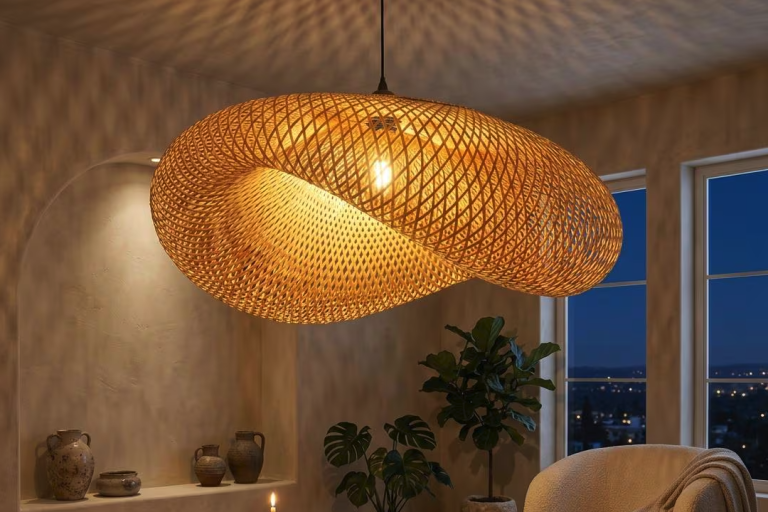
A seagrass light fixture, in particular, brings in a unique blend of form and function. The woven texture itself adds a layer of visual depth that a smooth, manufactured surface simply can’t replicate. This texture interacts with the light, casting interesting shadows and creating a softer, more diffused glow.
The Unsung Hero of Home Design
Think about the rooms you typically focus on for decor: the living room, the kitchen, the bedroom. They get all the attention, all the budget. But what about the spaces in between? Your entryway and hallway are the first and last things people see when they visit. They’re also the spaces you navigate daily. Making them feel intentional and inviting can profoundly impact your home’s atmosphere.
Investing a little thought and effort into your hallway doesn’t require a massive renovation. Often, a single, impactful change can make all the difference. And a well-chosen ceiling light is precisely that kind of change. It’s visible from multiple angles, it’s central to the space, and it’s something you interact with every time you turn it on or off.
Beyond the Basic Bulb
We’ve all seen those bland, utilitarian ceiling fixtures. They serve their purpose, sure, but they don’t do anything for the ambiance of a room. When you’re looking to elevate your hallway, moving beyond the basic bulb is crucial. You want something that adds character, something that tells a story.
A woven seagrass light fixture offers a distinct departure from the ordinary. Its natural material and handcrafted look bring a warmth and authenticity that’s hard to find with mass-produced items. It’s a statement piece that’s both practical and beautiful, a smart choice for anyone looking to infuse their home with personality.
Why Seagrass? The Material’s Appeal
So, what makes woven seagrass such a great choice for a ceiling light, especially in a hallway? It comes down to a few key attributes that really set it apart. It’s not just about looking nice; it’s about the inherent qualities of the material itself.
Seagrass, as a natural fiber, brings an organic touch that many modern homes crave. It offers a tactile quality that influences how we perceive a space, adding a layer of texture and depth that synthetic materials often lack. This natural origin translates into a sense of calm and grounding, which is a welcome feeling in any part of the home, especially a transitional space like a hallway.
A Touch of Nature Indoors
In our often urbanized or digitally saturated lives, bringing natural elements indoors is more important than ever. Seagrass accomplishes this beautifully. Its woven structure mimics organic patterns found in nature, from nests to woven baskets. This connection to the natural world can foster a sense of well-being and tranquility.
Think about it: when you look at a seagrass light, you see the intricate weaving, the subtle variations in color, the tactile appeal. It’s a reminder of the natural world outside, a little piece of calm brought into your home. This is especially valuable in a hallway, which can sometimes feel sterile or utilitarian.
Durability and Sustainability
Beyond its aesthetic appeal, seagrass is also a practical choice. It’s a strong, durable natural fiber that, when woven properly, can stand the test of time. It’s also a relatively sustainable material, often grown and harvested in ways that have a lower environmental impact compared to some manufactured alternatives. This conscious choice can contribute to a more eco-friendly home.
When you’re choosing materials for your home, considering their longevity and environmental footprint is a smart move. Seagrass fits that bill well. It’s a material that’s both beautiful and responsible, a combination that’s increasingly sought after.
Versatile Aesthetic
One of the best things about seagrass is its versatility. It can blend seamlessly into a variety of decor styles. Whether you’re aiming for a bohemian vibe with layered textiles, a minimalist look with clean lines, or a coastal-inspired retreat, seagrass can adapt. Its neutral, earthy tones make it a fantastic backdrop for other decorative elements.
Don’t think for a second that seagrass is only for one type of home. Its natural, understated beauty allows it to work with so many different personalities. It can be the earthy grounding element in a modern space or a key part of a more rustic or bohemian arrangement.
Lightweight Yet Impactful
Despite its natural origin, seagrass is surprisingly lightweight. This makes installation easier, which is always a bonus. But don’t let its lightness fool you; a well-designed seagrass light fixture makes a significant visual impact. The texture and form draw attention, making it a focal point without feeling heavy or overwhelming.
This is particularly relevant for hallways, which can sometimes have structural limitations or a feeling of being cramped. A lightweight fixture that still delivers on style is a win-win. It doesn’t add unnecessary bulk but certainly adds significant visual weight to the design.
Style and Form: Weaving the Look Together
The beauty of a woven seagrass ceiling light lies not just in the material but in the way it’s constructed. The weaving itself creates unique patterns and textures that add visual interest, turning a simple light source into a decorative object. Different weaving techniques can lead to vastly different looks, allowing you to tailor your choice to your specific hallway’s needs.
Consider the weave. Is it a tight, intricate weave that creates a solid, textured surface? Or is it a looser, more open weave that allows light to filter through in interesting patterns? Each offers a distinct aesthetic and influences the way light fills the space.
The Art of the Weave
The craftsmanship involved in weaving seagrass is a key part of its appeal. Artisans painstakingly weave the strands together, creating patterns that are both functional and beautiful. Some weaves are tight and uniform, resembling a basket; others are looser and more organic, resembling a bird’s nest.
These variations in weave density and pattern directly affect how light is diffused. A tighter weave will create a more opaque shade with light primarily directed downwards, while a looser weave might allow light to escape through the gaps, casting dappled shadows.
Tight Weaves for Focused Light
If your hallway needs to be well-lit and you prefer a more conventional light distribution, a tight weave might be your answer. These weaves create a more solid shade, and the light is often directed down and out from the base and bottom of the fixture. This is great for functional lighting where you need to see clearly at floor level.
Imagine a hallway with a runner; a tight-weave seagrass pendant would provide excellent illumination for navigating the path. It’s practical without sacrificing style.
Open Weaves for Ambiance
For a softer, more atmospheric glow, an open weave can be incredibly effective. These weaves allow light to escape in more directions, creating interesting shadows and a diffused, ambient light. This can be perfect for hallways where you want to create a cozy and inviting mood.
These can be particularly charming in longer hallways, where the play of light and shadow can add depth and interest to the otherwise linear space.
Shapes to Suit Your Space
Seagrass lights come in a variety of shapes, from simple spheres and cylinders to more elaborate drum or bell shapes. The shape of the light fixture plays a crucial role in how it integrates with your hallway’s architecture and your overall design scheme. A round light might soften sharp corners, while a more elongated shape could complement a long, narrow space.
Think about the existing lines in your hallway. Are there a lot of angles and straight lines? A round or oval fixture can provide a pleasing contrast. Is your hallway particularly long and narrow? A cluster of smaller pendants or a long, linear fixture might work well.
Spherical Delights
A spherical seagrass pendant is a popular choice and for good reason. Its simple, classic shape makes it incredibly versatile. It can add a touch of softness and organic form to almost any hallway. Imagine a perfectly round seagrass globe hanging in the center of your hallway – it’s elegant and understated.
Drum Shades for Clarity
Drum-shaped seagrass lights offer a more structured look. They provide a clean, consistent light output and can feel more modern and polished. These are great for hallways that need a more directed and consistent illumination.
The cylindrical nature of a drum shade means the light distribution is generally quite even.
Bell Shapes for a Gentle Flow
Bell-shaped seagrass lights have a more traditional feel but can be adapted to many styles. They often have a wider opening at the bottom, directing light downwards, with a more enclosed top. This can create a warm, inviting pool of light.
This shape can feel particularly cozy and provides a nice downward-facing light.
Considering Scale and Proportion
It’s crucial to select a seagrass light that is appropriately sized for your hallway. A fixture that’s too large can overpower a narrow space, while one that’s too small can get lost. Measure your hallway and consider the ceiling height when making your choice. A general rule of thumb is to ensure the fixture isn’t so large that you feel you have to duck, nor so small that it appears insignificant.
The “visual weight” of a fixture is also important. Even though seagrass is lightweight, a large, densely woven fixture can still feel substantial.
The Rule of Thumb for Size
Generally, the diameter of a ceiling light should be about one-tenth the length of the room it’s in. For hallways, this might be tricky, but it gives you a starting point. More importantly, consider the width of the hallway. You want the light to be visually balanced.
Hanging Height Matters
Pay close attention to how low the fixture hangs. In a hallway, you typically want at least 7 feet of clearance from the floor to the bottom of the fixture. If you have higher ceilings, you have more flexibility.
Installation and Practicalities
Getting your beautiful new seagrass light fixture into place is an important step. While many are designed for standard ceiling fixtures, understanding the basics of installation, or when to call a professional, will save you a lot of potential headaches. And, of course, thinking about maintenance upfront can ensure your light continues to look its best.
Most woven seagrass ceiling lights are designed to replace existing pendant lights or flush-mount fixtures. They usually come with a standard mounting bracket and wiring. The key is often ensuring the fixture is securely attached to the ceiling joist or a securely mounted electrical box.
DIY or Hire a Pro?
If you’re comfortable with basic electrical work and have the right tools, installing a ceiling light yourself can be a rewarding DIY project. However, if you’re unsure about any part of the process, or if the existing wiring or box looks questionable, it’s always best to enlist the help of a qualified electrician. Safety should always be the number one priority.
Simple Swaps
Replacing an existing pendant with a new seagrass one is often straightforward. You’ll typically need to turn off the power at the breaker, remove the old fixture, connect the new wires (usually black to black, white to white, and ground to ground), and then secure the new fixture to the ceiling.
When to Call in the Experts
If you’re installing a new fixture where there wasn’t one before, dealing with old or damaged wiring, or if the existing electrical box isn’t sturdy, it’s time to call an electrician. They’ll ensure everything is up to code and safely installed.
Maintenance for Longevity
Seagrass is a natural material, and like any natural item, it requires a little care to keep it looking its best. Dusting is usually the primary task. A soft brush or a vacuum cleaner with a brush attachment can be effective. Avoid harsh chemicals or excessive moisture, which can damage the fibers.
Regular, gentle cleaning will prevent dust buildup and keep the natural tones of the seagrass looking vibrant.
Dusting is Key
A regular dusting with a soft microfiber cloth or a feather duster will keep your seagrass light looking fresh. For hard-to-reach areas, a compressed air can be handy.
Gentle Cleaning Techniques
If you notice any light soiling, a slightly damp cloth (not wet!) can be used. Always test any cleaning method on an inconspicuous area first. Avoid abrasive cleaners or anything that could strip the natural oils from the seagrass.
Bulb Choice Matters
The type of bulb you choose for your seagrass light can significantly impact the overall ambiance. For a warm, inviting glow that complements the natural material, consider using LED bulbs that mimic the color temperature of incandescent bulbs (around 2700K to 3000K). Avoid overly bright, cool-toned bulbs, as they can make the seagrass look washed out.
The light output (lumens) is also important. You want enough light to make your hallway functional, but not so much that it feels harsh or sterile.
Warm White is Your Friend
Look for bulbs labeled as “warm white” or with a Kelvin rating between 2700K and 3000K. These will provide a cozy, inviting light that enhances the natural beauty of the seagrass.
Dimmable Options for Flexibility
Consider using a dimmable bulb and dimmer switch. This gives you incredible flexibility to adjust the lighting for different times of day or moods. A dimly lit hallway in the evening can feel very welcoming.
Creating a Cohesive Look
A seagrass ceiling light isn’t an isolated decision; it’s an opportunity to tie together other elements in your hallway. By strategically placing other decorative items, you can create a harmonious and inviting space that flows seamlessly. Think about how the light fixture can inspire or complement other choices in your decor.
Consider adding other natural textures, like a woven rug, wooden accents, or potted plants. These elements will echo the seagrass and enhance the natural, organic feel of your hallway. The goal is to create a layered, inviting look that feels intentional and cohesive.
Complementary Textures and Materials
Since your seagrass light brings in a natural, woven texture, why not lean into that? Other natural materials can create a beautiful synergy. Think about adding a runner with a subtle woven pattern, a wooden console table, or even some small ceramic decorative items.
These additions don’t need to be overtly matchy-matchy, but rather work in harmony with the seagrass light.
Woven Rugs for the Floor
A rug can totally transform a hallway. A woven rug, perhaps in jute, sisal, or even a wool blend with a textured pattern, can beautifully ground the space and complement your ceiling light.
Wooden Accents for Warmth
A small wooden bench, a shelf, or even framed artwork with wooden frames can add warmth and echo the natural tones of the seagrass.
Lighting as a Focal Point
Your seagrass ceiling light can be the anchor for your hallway’s decor. Use it as a starting point to guide other design choices. If the light has a particularly prominent weave, perhaps a less busy rug would be ideal. If the shape is very dominant, you might opt for simpler wall art.
It’s about creating a balanced composition where the light fixture plays its part without being overshadowed or overpowering everything else.
Drawing the Eye Upwards
A beautiful ceiling light naturally draws the eye upwards. This is a great way to make a hallway feel more spacious and luxurious. Reinforce this by ensuring your wall decor doesn’t compete excessively.
Mirror, Mirror, On the Wall
A mirror is a hallway staple, and for good reason. It reflects light, making the space feel larger and brighter, and it’s practical for a last-minute appearance check. A mirror with a natural frame, like wood or even a subtly woven rattan, can beautifully tie into the seagrass aesthetic.
A strategically placed mirror can also amplify the light cast by your seagrass fixture, creating a lovely interplay of light and shadow.
Beyond the Hallway: Similar Styles
While we’re focusing on hallways, it’s worth noting that woven seagrass ceiling lights aren’t limited to this one space. Their versatile charm makes them suitable for a variety of rooms, adding their unique touch wherever they’re hung. Understanding where else they shine can give you a broader appreciation for their aesthetic.
In many ways, the hallway is a testing ground for bringing natural elements into the home. Once you’ve experienced its transformative power there, you might find yourself wanting to incorporate it elsewhere.
Kitchen Charm
In a kitchen, especially one with a more relaxed or farmhouse vibe, a seagrass pendant can add a touch of warmth and rustic appeal over an island or a breakfast nook. It offers a delightful contrast to the often sleek, modern materials found in kitchens.
A kitchen can benefit from that bit of softness and texture that seagrass provides.
Bedroom Serenity
For a bedroom, a seagrass light fixture can contribute to a calm, serene atmosphere. Imagine a gently glowing woven pendant over a bedside table or in the center of the room, promoting a sense of tranquility.
The natural, earthy tones are perfect for creating a restful sanctuary.
Living Room Layers
In a living room, seagrass lights can add an artisanal, bohemian, or coastal touch. Whether hung over a coffee table, in a reading nook, or as part of a cluster of lights, they bring a unique texture and organic warmth.
They can be a fantastic way to layer different textures and styles within a living space.
Nursery Naturalness
For a nursery or child’s room, the natural, non-toxic qualities of seagrass can be particularly appealing. It adds a gentle, organic element to a space designed for comfort and calm.
The softness of its appearance can be very soothing.
Bathroom Brightness (with Caution)
While generally not recommended for very humid or steamy bathrooms due to potential mold or mildew issues, in well-ventilated bathrooms, a smaller seagrass fixture could add a unique touch of natural texture. Always ensure adequate ventilation.
This is a space where you need to be a little more cautious about moisture.
By understanding these applications, you can see how a woven seagrass ceiling light isn’t just a hallway solution; it’s a versatile design element that can bring its unique brand of warmth and texture throughout your home.
About the Author