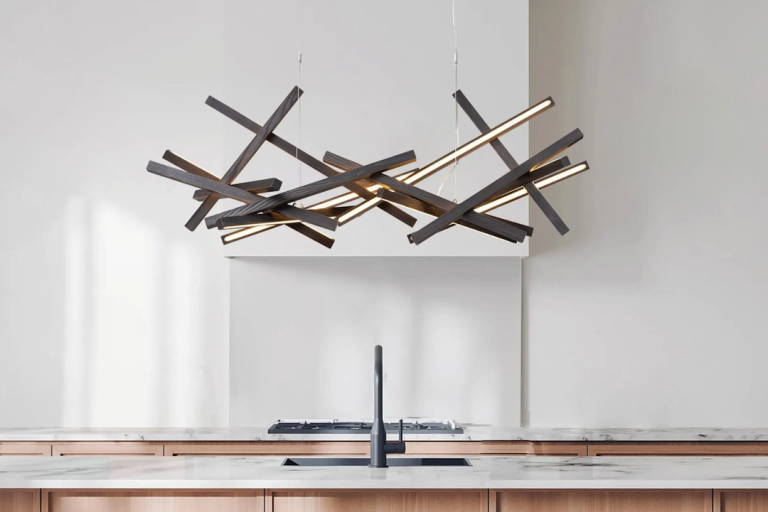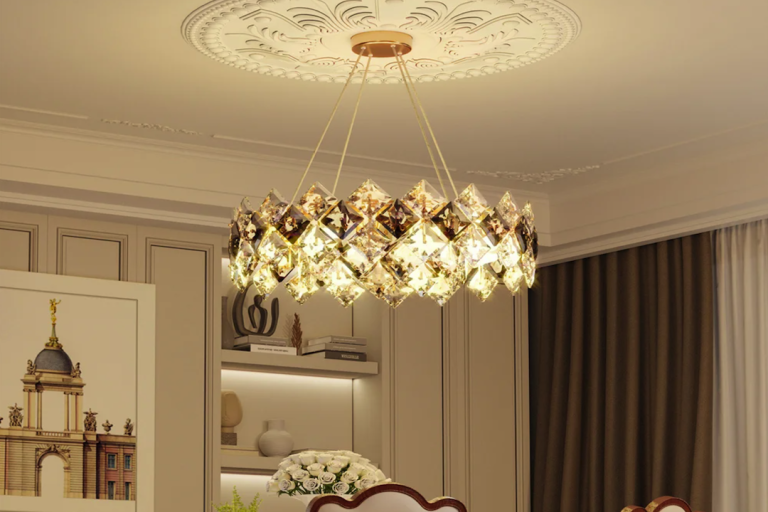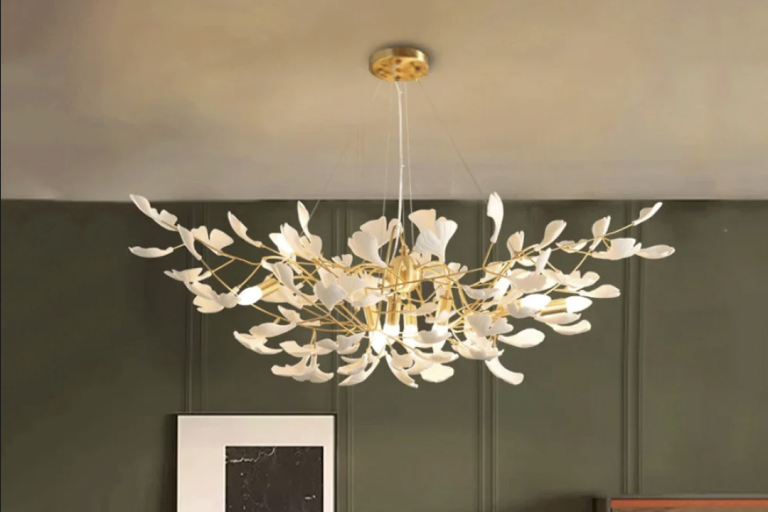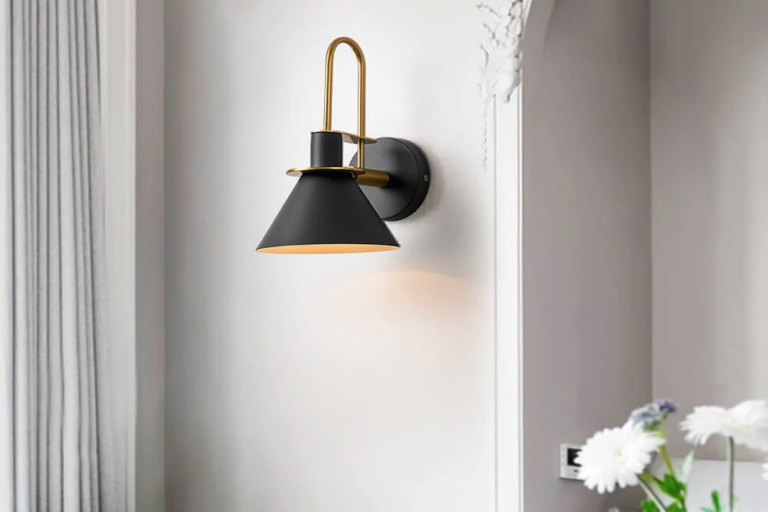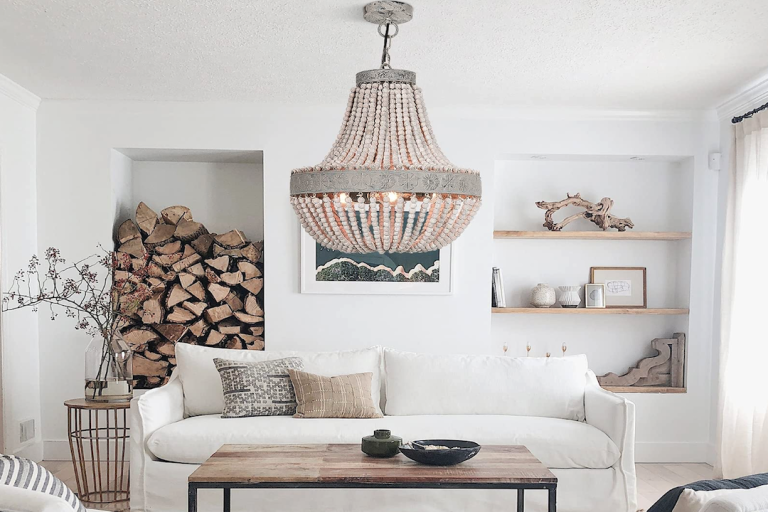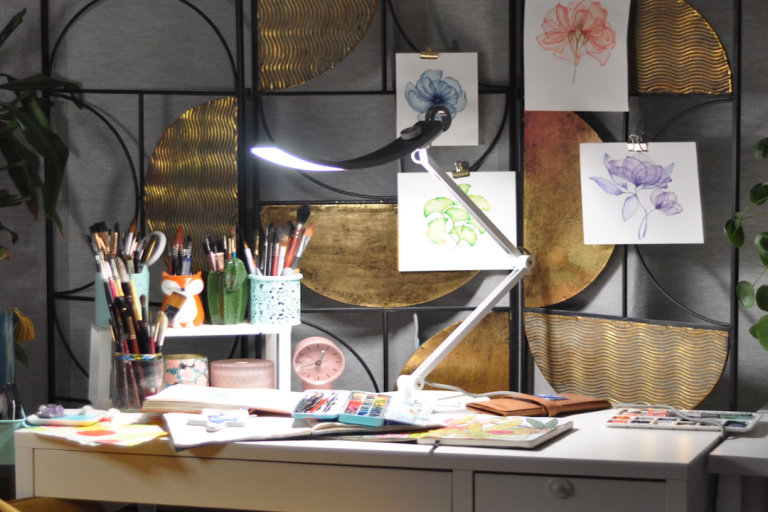
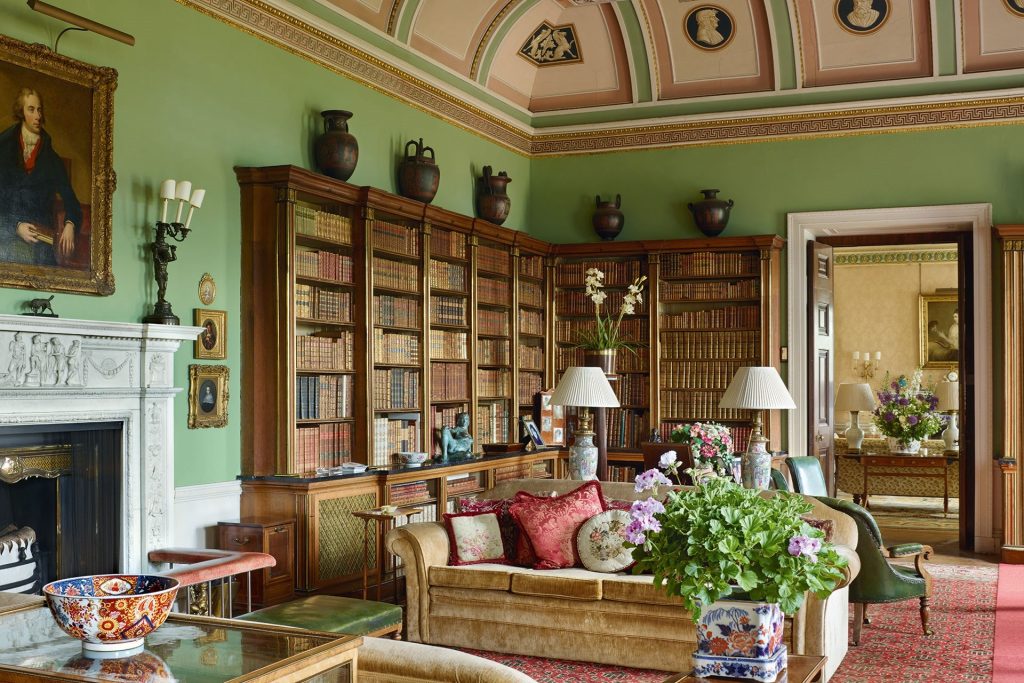
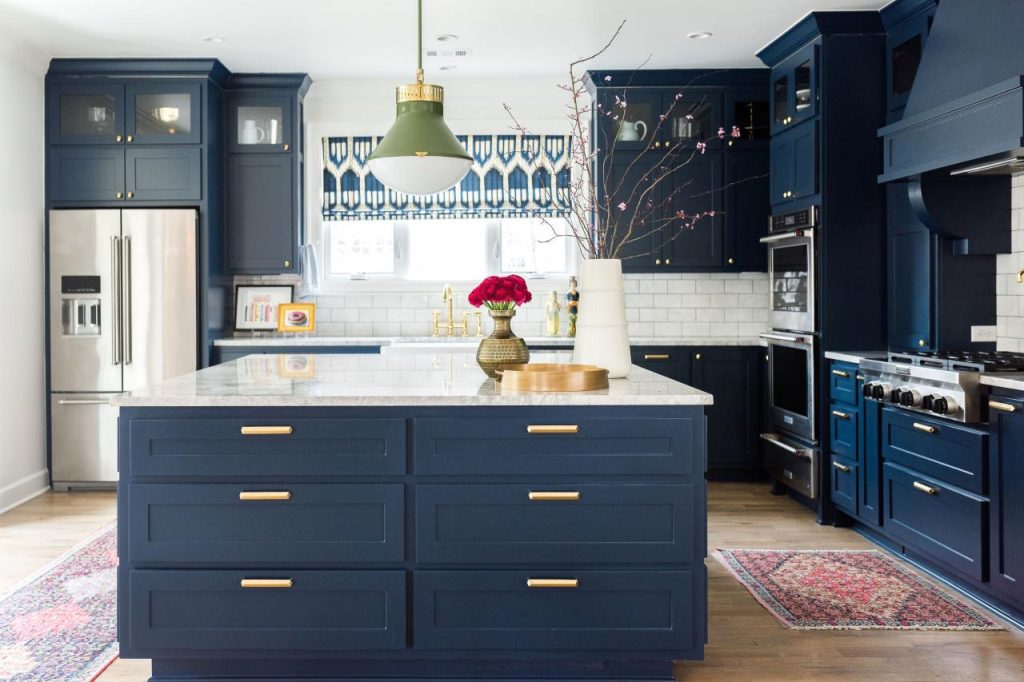
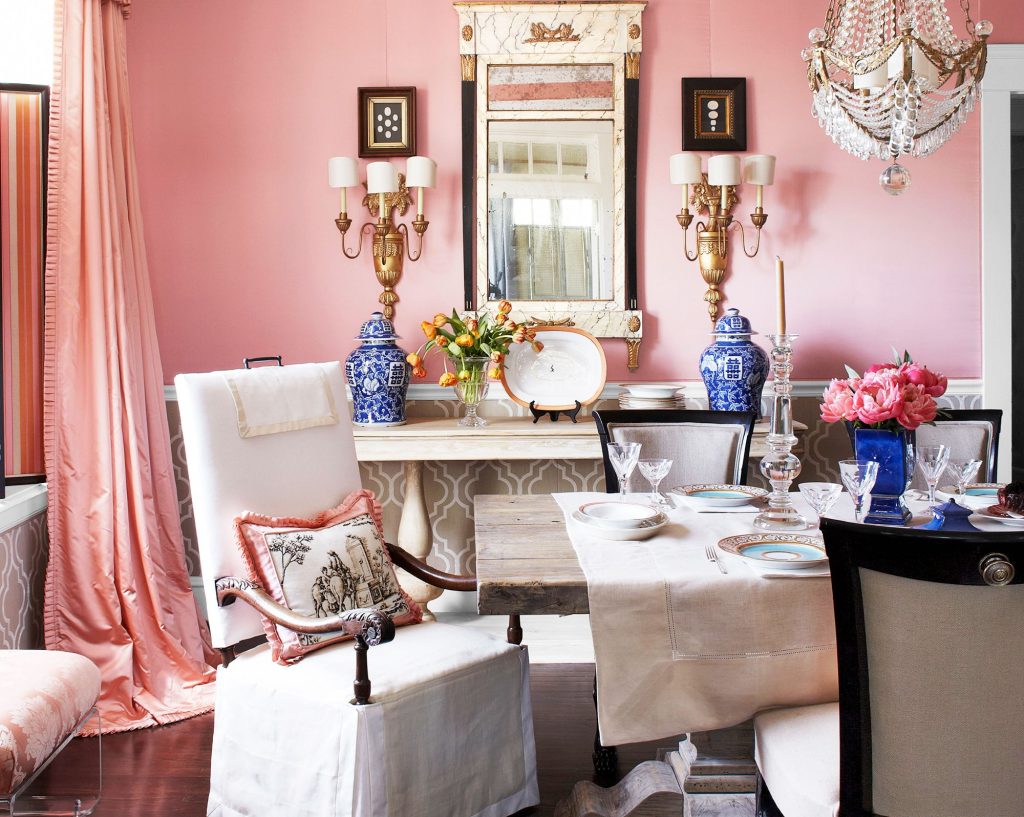
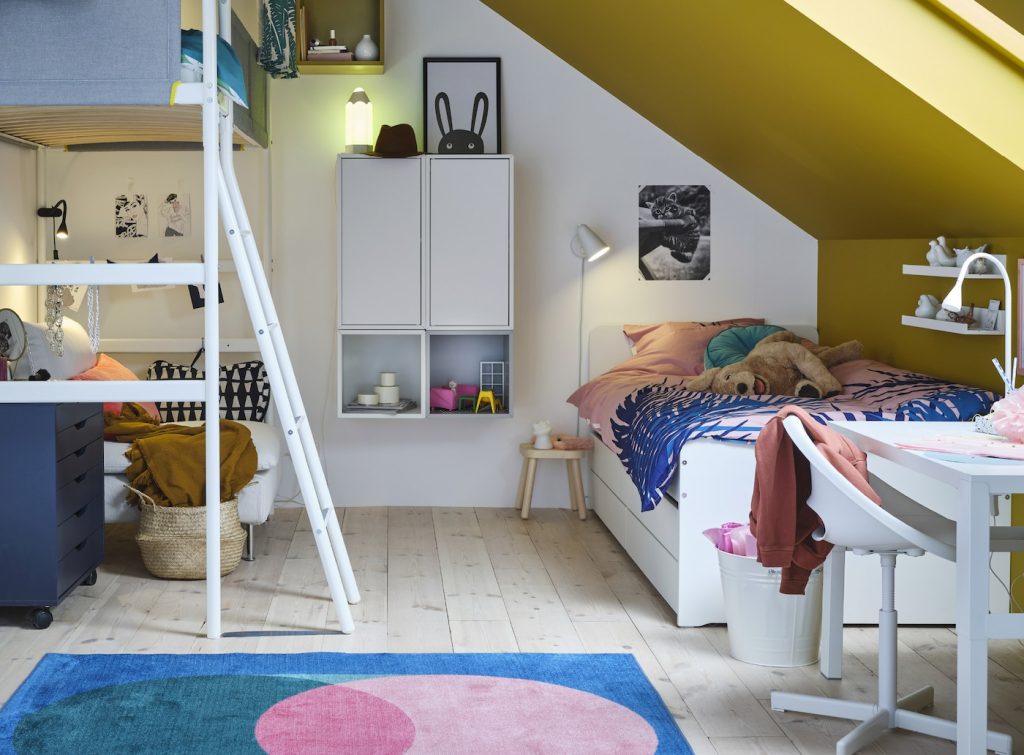
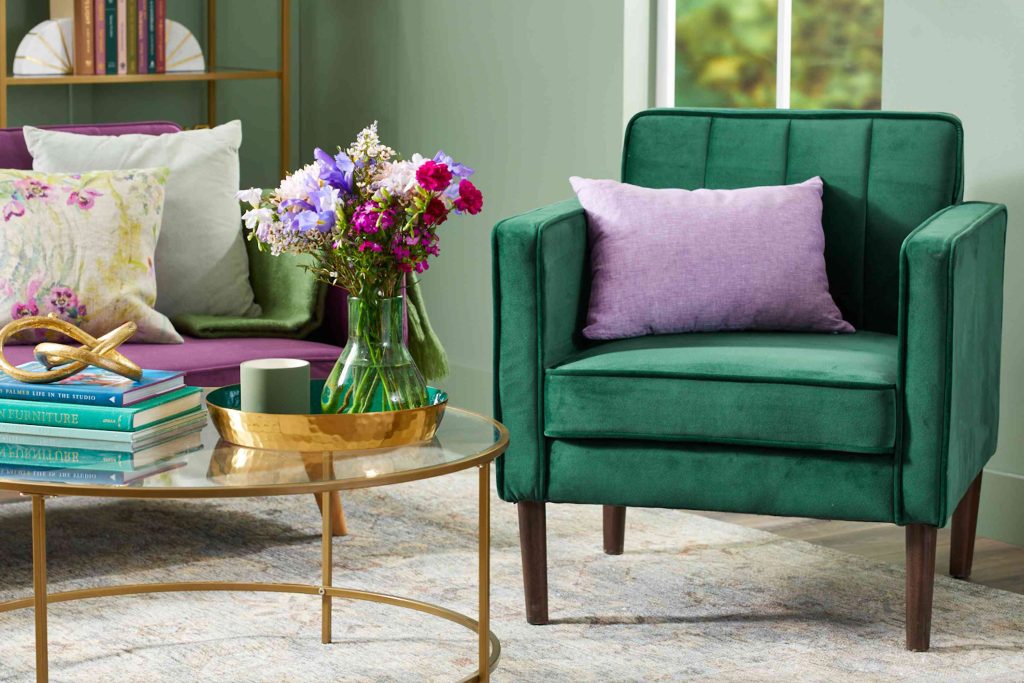
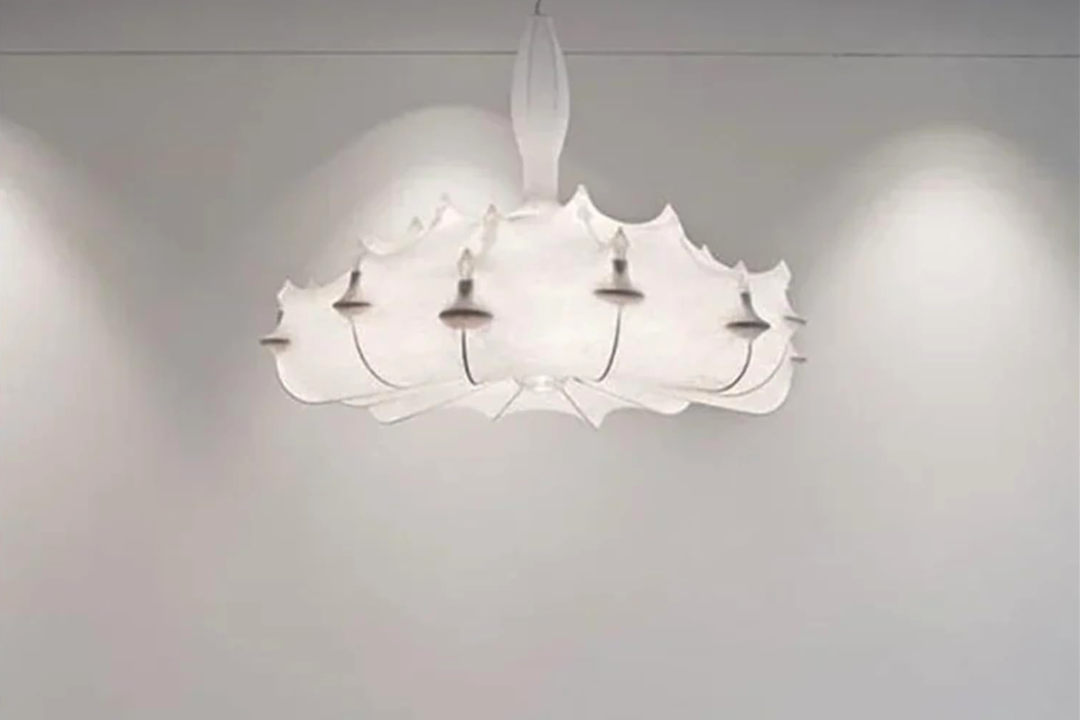
Organic modern sculptural lighting represents a significant development in contemporary interior and architectural design. This style merges the principles of organic forms—inspired by nature—with the clean lines and functionality characteristic of modern aesthetics. The result is lighting that transcends mere illumination, acting as a focal point and an artistic statement within a space.
The trajectory of organic modern sculptural lighting Ninpodesign is not a singular event but a confluence of broader art and design movements. To understand its current manifestation, one must look to its historical foundations.
Post-War Modernism and Scandinavian Design
Following World War II, a renewed focus on functionality, accessibility, and natural materials emerged, particularly in Scandinavia. Designers like Poul Henningsen and Arne Jacobsen, through their innovative approaches to light diffusion and form, laid groundwork. Henningsen’s layered lamp designs (e.g., the PH series) were engineered to minimize glare and create soft, inviting light, directly addressing user comfort. Similarly, Jacobsen’s designs often incorporated biomorphic shapes and natural wood, linking furniture and lighting to the human scale and organic world. These designers emphasized the experience of light over its mere presence, a concept central to organic modern sculptural lighting today.
Mid-Century Biomorphism and Abstract Expressionism
The mid-20th century witnessed a surge in biomorphic forms across various art and design disciplines. Artists like Jean Arp and sculptors like Barbara Hepworth explored curvilinear shapes, fluid lines, and structures reminiscent of biological organisms. This artistic shift began to infiltrate industrial design. While not always directly translating to lighting, the idea of objects existing in a more natural, less rigid state was established. Simultaneously, Abstract Expressionism, with its emphasis on spontaneous, free-flowing forms and emotional expression, albeit in painting, contributed to a broader aesthetic appreciation for less conventional, more dynamic shapes.
The Rise of Studio Craft and Artisanry
Concurrently, a resurgence in studio craft and a valorization of artisanry began to challenge mass-produced uniformity. Artists and designers working with materials like wood, ceramics, and metal emphasized unique, hand-crafted pieces. This movement, particularly evident from the 1960s onward, allowed for the development of more custom, sculptural lighting pieces that could not be easily replicated on an industrial scale. This ethos of uniqueness and material exploration is consistently present in contemporary organic modern lighting.
Defining Characteristics
Organic modern sculptural lighting is characterized by a set of discernible aesthetic and functional attributes. These characteristics differentiate it from more conventional lighting fixtures and establish its unique appeal.
Non-Linear Forms and Fluidity
Unlike traditional lighting, which often relies on geometric shapes such as circles, squares, or cylinders, organic modern designs typically feature non-linear, flowing, or undulating forms. These shapes often mimic elements found in nature—a winding river, a cloud, a tree branch, or the cellular structure of a plant. The aim is to create visual softness and a sense of movement, avoiding harsh angles and rigid structures. This fluidity allows the fixture to integrate more organically into a space, rather than stand as a stark imposition.
Emphasis on Natural Materials
A cornerstone of this style is the use of natural materials, or materials that emulate natural textures and appearances. Wood, particularly lighter varieties like maple or ash, is frequent due to its warmth and grain. Ceramics, with their tactile qualities and ability to be sculpted into diverse forms, are also prevalent. Recycled or sustainably sourced materials are often favored, reflecting a conscious design ethos. Materials like linen, cotton, or even innovative bioplastics derived from natural sources can also be incorporated for their textural appeal and light-diffusing properties. The material choice is not merely aesthetic; it often dictates how light interacts with the fixture, creating specific effects.
Soft and Diffused Illumination
The primary function of lighting is to illuminate, but organic modern sculptural lighting often prioritizes how light is delivered. Instead of direct, harsh illumination, these fixtures typically produce soft, diffused, and ambient light. This is achieved through various methods: opaque or semi-transparent materials, intricate forms that scatter light, or integrated LED strips that are hidden from direct view. The goal is to create an inviting atmosphere, free from glare, making the light source a comfortable presence rather than an intrusive one. The light becomes a gentle embrace rather than a direct gaze.
Sculptural Quality and Artistic Expression
A key differentiator is the intrinsic sculptural quality of these fixtures. They are designed to be as much art objects as functional light sources. Even when unlit, the form itself holds aesthetic value. This means the designer often approaches the light fixture as a sculptor approaches a medium, shaping and molding to create an expressive form. The piece is intended to draw the eye and become a conversational piece, influencing the overall aesthetic character of the room even during daylight hours.
Integration with Architecture and Interior Design
These lighting pieces are rarely standalone elements; they are often conceived with the surrounding architectural and interior design in mind. They seek to harmonize with the existing lines, materials, and spatial dynamics of a room. This can involve custom installations that integrate seamlessly into walls or ceilings, or freestanding pieces that complement the furniture and overall material palette. The light fixture becomes a partner in the dialogue of the space, rather than an independent voice.
Design and Production Techniques
The creation of organic modern sculptural lighting often involves a blend of traditional craftsmanship and contemporary manufacturing processes. This fusion allows for both intricate detail and practical application.
Hand-Crafted and Artisan Approach
Many pieces falling under this category are produced with a significant amount of handcraftsmanship. Artisans might hand-bend wood veneers, hand-cast ceramic forms, or meticulously assemble complex structures. This approach allows for a level of detail and uniqueness that mass production often cannot achieve. It also directly links to the studio craft movement that influenced the style, valuing the human touch and the imperfections that imbue character. The careful manipulation of materials by skilled hands often results in forms that feel more organic and alive.
Material Manipulation and Innovation
Designers working in this genre frequently experiment with material manipulation. This can include steam-bending wood to create delicate curves, laminating thin sheets of material to form complex three-dimensional shapes, or utilizing textile stiffening techniques to create rigid yet ethereal forms. The exploration of new materials, such as bio-resins or composite materials with natural fibers, also plays a role in pushing the boundaries of what is possible, often aligning with sustainable design principles.
Digital Fabrication and Parametric Design
While deeply rooted in organic forms, contemporary production also leverages digital fabrication. Techniques such as CNC milling, laser cutting, and 3D printing allow for the precise creation of complex geometries and intricate patterns that would be difficult or impossible to achieve by hand. Parametric design tools enable designers to generate and iterate on organic forms based on specific parameters, such as light diffusion patterns or structural integrity. This blend of digital precision and inspired organic form allows designers to push formal boundaries while maintaining production feasibility.
Integrated LED Technology
The evolution of LED technology has been instrumental in the development of organic modern sculptural lighting. LEDs are small, energy-efficient, and generate minimal heat, offering designers unprecedented flexibility in integrating light sources into complex forms. They can be discreetly embedded within materials, coiled along intricate curves, or used to backlight translucent forms, allowing the light fixture to become an illuminated sculpture rather than just a housing for a bulb.
Applications and Contexts
The versatile nature of organic modern sculptural lighting allows for its application in a diverse range of environments and design schemes.
Residential Spaces
In residential settings, these fixtures often serve as focal points in living rooms, dining areas, or entryways. A large, flowing pendant light over a dining table can define the space, creating an intimate atmosphere. A strategically placed floor lamp with an organic form can introduce visual interest and soft ambient light into a reading nook or a corner of a living room. They can also be integrated into bedroom designs, acting as sculptural bedside lamps or overhead ambient lights that contribute to a restful environment. The goal is to create emotional resonance and establish a unique character within the home.
Commercial and Hospitality Environments
In commercial and hospitality settings, organic modern sculptural lighting plays a crucial role in branding and atmosphere creation. Hotels often use large, custom-designed installations in lobbies or restaurants to create a memorable first impression and reinforce a sophisticated aesthetic. Retail spaces utilize these fixtures to draw attention to specific product displays or to create an inviting shopping experience. Offices, particularly those aiming for a more contemporary and human-centric design, might incorporate these lights to soften the sterile lines often associated with workspaces and promote a sense of well-being. The pieces often contribute to the narrative of the brand or the experience offered.
Public and Institutional Buildings
Public spaces such as museums, libraries, or art galleries leverage organic modern sculptural lighting to enhance the architectural experience. They can guide circulation, define zones, or serve as standalone art installations that complement the primary exhibits. In an institutional context, the use of these lights can introduce a softer, more approachable feel to environments that might otherwise seem austere. Their ability to serve as both functional illumination and artistic expression makes them well-suited for spaces that aim to inspire and engage.
Environmental and Sustainable Considerations
The production and lifecycle of organic modern sculptural lighting are increasingly impacted by environmental and sustainable considerations.
Sustainable Material Sourcing
As awareness of environmental impact grows, designers are increasingly prioritizing sustainably sourced materials. This includes certified wood from responsibly managed forests, recycled metals, or post-consumer plastics. The use of rapidly renewable resources like bamboo or cork also aligns with sustainable practices. When natural materials are used, their origin and production methods are becoming scrutinised.
Energy Efficiency
The widespread adoption of LED technology inherently makes these fixtures energy-efficient. Their low power consumption and long lifespan reduce energy demand and waste. Designers often optimize light output to minimize power without compromising illumination quality. The integration of smart lighting controls, which allow for dimming and scheduling, further enhances energy efficiency.
Durability and Longevity
Focusing on high-quality materials and construction techniques ensures the durability and longevity of these lighting fixtures. A well-made sculptural light is not a disposable item but an investment designed to last for many years. This philosophy of producing durable goods contributes to sustainability by reducing the frequency of replacement and minimizing waste.
End-of-Life Planning
Consideration for the end-of-life cycle of the product is also gaining importance. This involves designing for disassembly, making it easier to separate and recycle components, or using biodegradable materials where appropriate. The aim is to minimize environmental impact from cradle to grave.
The Future of Sculptural Lighting
The evolution of organic modern sculptural lighting is ongoing, driven by technological advancements, evolving aesthetic preferences, and a heightened environmental consciousness.
Smart Integration and Interactivity
Future developments are likely to see even deeper integration with smart home and building systems. This means not just dimming capabilities but also dynamic color tuning, adaptive lighting based on natural light levels, and potentially interactive features where the light fixture responds to its environment or user input. The line between lighting, art, and technology will continue to blur.
Biomimicry and Advanced Materials
Expect to see further exploration into biomimicry, where designs are not just inspired by nature but emulate natural processes and structures. This could involve self-cleaning surfaces, responsive materials that change shape or opacity, or fixtures that mimic the bioluminescence of organisms. Advanced materials, including new bioplastics, composites, and textiles, will open up new possibilities for form, texture, and light diffusion.
Customization and Personalization
As manufacturing processes become more flexible, there will likely be an increased demand for customized and personalized sculptural lighting. This could range from modular systems that users can configure to bespoke designs that are tailored to specific architectural dimensions and aesthetic requirements. The unique connection between client and designer will continue to be a hallmark of this specialized field.
Circular Economy Principles
The emphasis on circular economy principles will intensify. This means designing products that can be easily repaired, upgraded, and ultimately recycled or composted. The entire lifecycle of the lighting fixture, from material sourcing to eventual disposal, will be optimized for minimal environmental impact.
Organic modern sculptural lighting is not merely a trend but a coherent design philosophy that values form, function, and artistic expression. It continues to evolve, pushing the boundaries of what lighting can achieve, transforming spaces into immersive and visually rich environments. As you consider illumination for your own spaces, recognize that lighting can be a powerful, silent arbiter of mood and an eloquent statement of design intent.
About the Author